
 forgemania61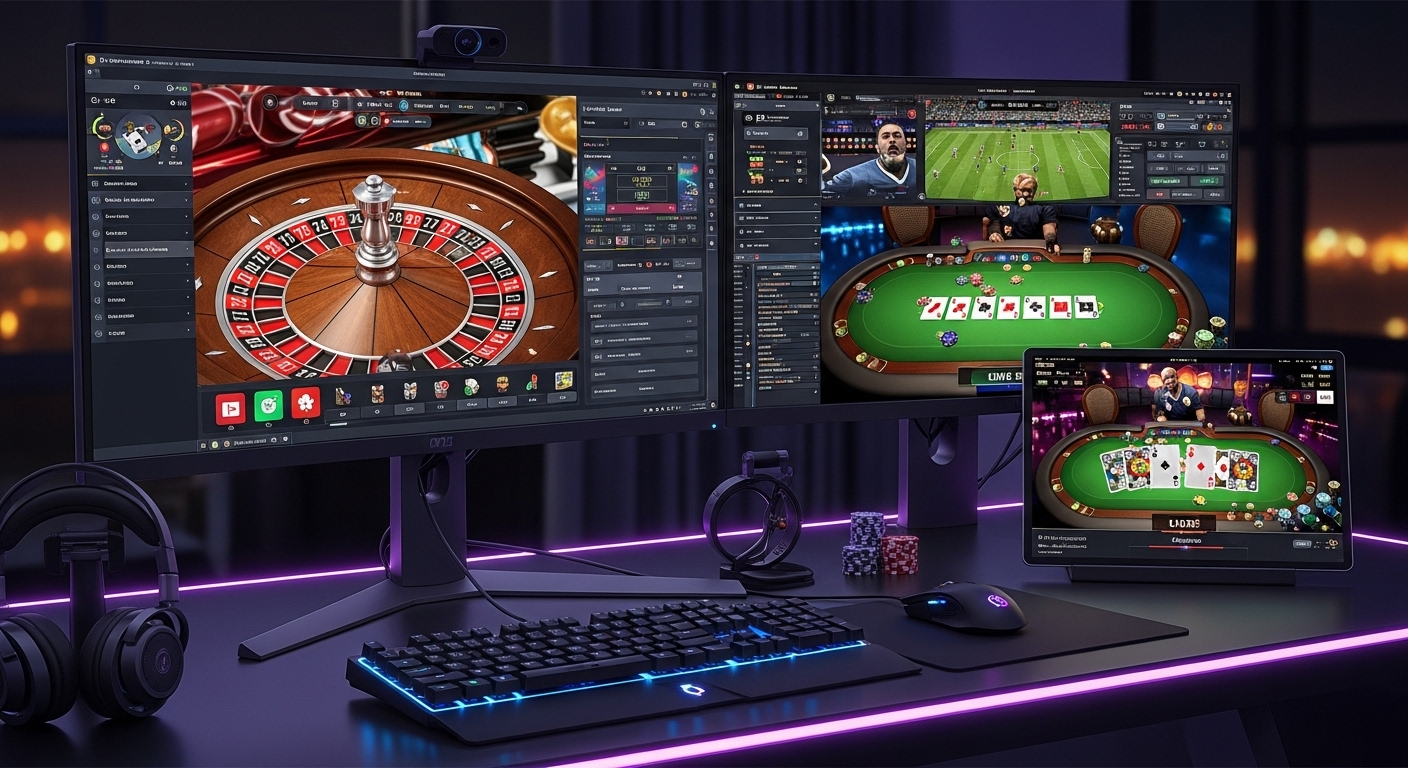
Introduction
In recent years, the world of iGaming has evolved into one of the fastest-growing and most dynamic sectors within digital entertainment. From online casinos to esports betting and virtual gaming platforms, iGaming has become a global phenomenon that blends technology, psychology, and entertainment. This transformation is not just about playing games online; it represents a major cultural and economic shift that is reshaping how millions of people experience leisure, competition, and even social interaction. As technology advances, the iGaming industry continues to break barriers, offering new forms of engagement and redefining what it means to play and win in a connected world.
The Evolution of iGaming
The roots of iGaming can be traced back to the early days of the internet, when simple card and slot games were introduced on basic web platforms. These early games lacked the visual appeal and interactivity of today’s offerings but laid the foundation for what would become a global entertainment empire. Over time, as internet speeds improved and digital payment systems became more secure, online gaming platforms began to flourish. The early 2000s saw the rise of sophisticated online casinos, poker rooms, and sports betting websites that attracted millions of users across different continents.
The introduction of smartphones marked another major turning point in iGaming’s growth. Mobile gaming made it possible for players to enjoy their favorite casino games and betting experiences anytime and anywhere. Today, mobile apps and responsive web platforms dominate the market, giving users an unparalleled level of accessibility and convenience. The integration of real-time multiplayer options and live dealer games has further elevated the iGaming experience, blurring the lines between virtual and real-world gaming.
Technology at the Heart of Innovation
One of the defining characteristics of iGaming is its reliance on cutting-edge technology. From artificial intelligence and blockchain to virtual reality and cloud gaming, technology plays a central role in shaping the modern iGaming experience. Artificial intelligence is used to personalize user experiences, detect fraudulent activity, and enhance player safety through responsible gaming tools. Machine learning algorithms can predict player preferences and recommend games based on behavior, keeping users engaged and entertained.
Blockchain technology has brought transparency and trust to the iGaming world by providing secure and verifiable transactions. It allows players to deposit and withdraw funds with confidence, ensuring that outcomes are fair and tamper-proof. Meanwhile, virtual reality and augmented reality have opened the door to immersive experiences that transport players into lifelike casino environments. Imagine sitting at a poker table with players from around the world, interacting in real time through VR headsets. This level of immersion was once a futuristic dream but is now becoming a reality in the iGaming space.
The Rise of Esports and Betting Integration
The explosion of esports has created an entirely new segment within the iGaming ecosystem. Competitive gaming, once seen as a niche hobby, has evolved into a multi-billion-dollar industry with global tournaments, professional teams, and massive audiences. The integration of esports betting has added another dimension, allowing fans to place wagers on their favorite players or teams during live events.
This convergence of gaming and betting has redefined spectator entertainment. Instead of passively watching, users can actively participate, making predictions and feeling a sense of involvement in the outcome. Esports betting platforms leverage real-time data, live streaming, and analytics to create an interactive and dynamic environment. This has not only attracted younger audiences but also bridged the gap between traditional sports betting and digital gaming.
Regulation and Responsible Gaming
With great growth comes great responsibility, and the iGaming industry faces continuous scrutiny from regulators worldwide. Ensuring fair play, preventing underage gambling, and promoting responsible gaming are top priorities for operators and governments alike. Different countries have established frameworks to license and monitor iGaming companies, ensuring they adhere to ethical standards and protect player interests.
Modern platforms now incorporate responsible gaming tools such as deposit limits, self-exclusion options, and time-tracking features that help players manage their gaming habits. Artificial intelligence is also being used to detect patterns of problematic behavior, allowing platforms to intervene before issues escalate. These efforts reflect the industry’s commitment to sustainability and long-term growth rather than short-term profit.
The Social Aspect of iGaming
While often seen as an individual activity, iGaming has increasingly become a social experience. Multiplayer modes, chat functions, and live dealer interactions allow players to connect with others from across the globe. Social casinos, where players can compete without real money, have also become popular, blending entertainment with community building.
This social interaction is vital in making the iGaming experience more human and engaging. It turns solitary gaming into a shared experience, where friendships and rivalries can form in virtual environments. Online communities and forums further extend this interaction, providing spaces where players can share strategies, discuss new games, and celebrate victories together.
The Role of Artificial Intelligence in Personalization
AI-driven personalization has become a major trend in iGaming. Platforms use data analytics to study user preferences, playing patterns, and engagement levels. Based on this information, they tailor recommendations, bonuses, and promotions to suit individual players. This creates a customized experience that enhances satisfaction and retention.
For instance, a player who enjoys slot games may receive suggestions for new themed slots, while someone who prefers live dealer games might be offered exclusive access to premium tables. AI also assists in customer support through chatbots that can resolve issues instantly, providing seamless service around the clock.
Mobile Dominance in iGaming
The mobile revolution has completely transformed how users interact with iGaming platforms. With powerful smartphones and faster internet connections, players can enjoy high-quality graphics, instant play options, and secure payment systems right from their palms. Mobile gaming apps have made it easier for people to engage in short gaming sessions during commutes, breaks, or leisure time.
Operators now prioritize mobile optimization, ensuring smooth navigation, intuitive design, and responsive interfaces. The convenience of mobile gaming has expanded the audience, attracting casual players who may not have been interested in traditional casino setups. This widespread accessibility is one of the key reasons for iGaming’s explosive growth in recent years.
The Impact of Cryptocurrency on iGaming
Cryptocurrencies have become a game-changer for the iGaming industry. Digital currencies like Bitcoin and Ethereum offer anonymity, security, and fast transactions, making them ideal for online gaming environments. Many platforms now accept crypto payments, giving users an alternative to traditional banking methods.
The use of cryptocurrency also appeals to tech-savvy audiences who value decentralization and privacy. Moreover, blockchain-based platforms can verify every transaction and gaming outcome, ensuring transparency and fairness. This innovation has built greater trust among players and attracted a new generation of users who are comfortable with digital assets.
The Future of iGaming: Virtual Reality and Beyond
The future of iGaming is poised to be even more immersive and interactive. Virtual reality, augmented reality, and metaverse integration are leading the way toward a new digital frontier. Imagine entering a virtual casino where you can walk around, sit at tables, and interact with real dealers and players—all from your living room. These experiences combine realism with convenience, offering entertainment like never before.
Artificial intelligence will continue to evolve, making gaming more adaptive and personalized. Predictive analytics will allow operators to anticipate player needs and deliver experiences that feel tailor-made. Meanwhile, advancements in 5G technology will eliminate latency issues, enabling smoother and faster gameplay across devices.
Economic and Cultural Influence of iGaming
Beyond entertainment, iGaming has become a major contributor to global economies. It generates billions in revenue, creates employment opportunities, and drives technological innovation. The sector supports software developers, marketing professionals, cybersecurity experts, and customer service teams, forming a complete digital ecosystem.
Culturally, iGaming has also influenced media, entertainment, and social trends. Online tournaments, influencer partnerships, and streaming platforms have turned gaming into a mainstream form of cultural expression. What was once a niche interest has now become part of everyday life, blending competition, creativity, and community.
Challenges Ahead for the Industry
Despite its rapid success, iGaming faces challenges that must be addressed to ensure sustainable growth. Regulatory complexities vary across regions, making it difficult for operators to comply with every jurisdiction’s laws. Cybersecurity threats, including hacking and data breaches, remain constant concerns. Additionally, ensuring fairness and preventing addiction are ongoing challenges that require continuous attention.
The industry’s long-term success will depend on its ability to balance innovation with responsibility. Operators must invest in secure technologies, ethical marketing practices, and player protection measures. Collaboration between governments, companies, and communities will be essential in shaping a future where iGaming remains safe, fair, and enjoyable.
Conclusion
The rise of iGaming marks a pivotal moment in the evolution of entertainment. What began as simple online games has transformed into a sophisticated, technology-driven ecosystem that touches millions of lives across the world. With innovations like artificial intelligence, blockchain, and virtual reality leading the charge, the future of iGaming looks brighter than ever.
As the industry continues to expand, its focus on responsible gaming, technological advancement, and player engagement will determine its lasting success. iGaming is more than just a pastime; it is a reflection of how technology can enhance human experience, create new communities, and redefine the boundaries of digital entertainment. The revolution has only just begun, and the world of iGaming is set to continue evolving in ways we have yet to imagine.