 forgemania61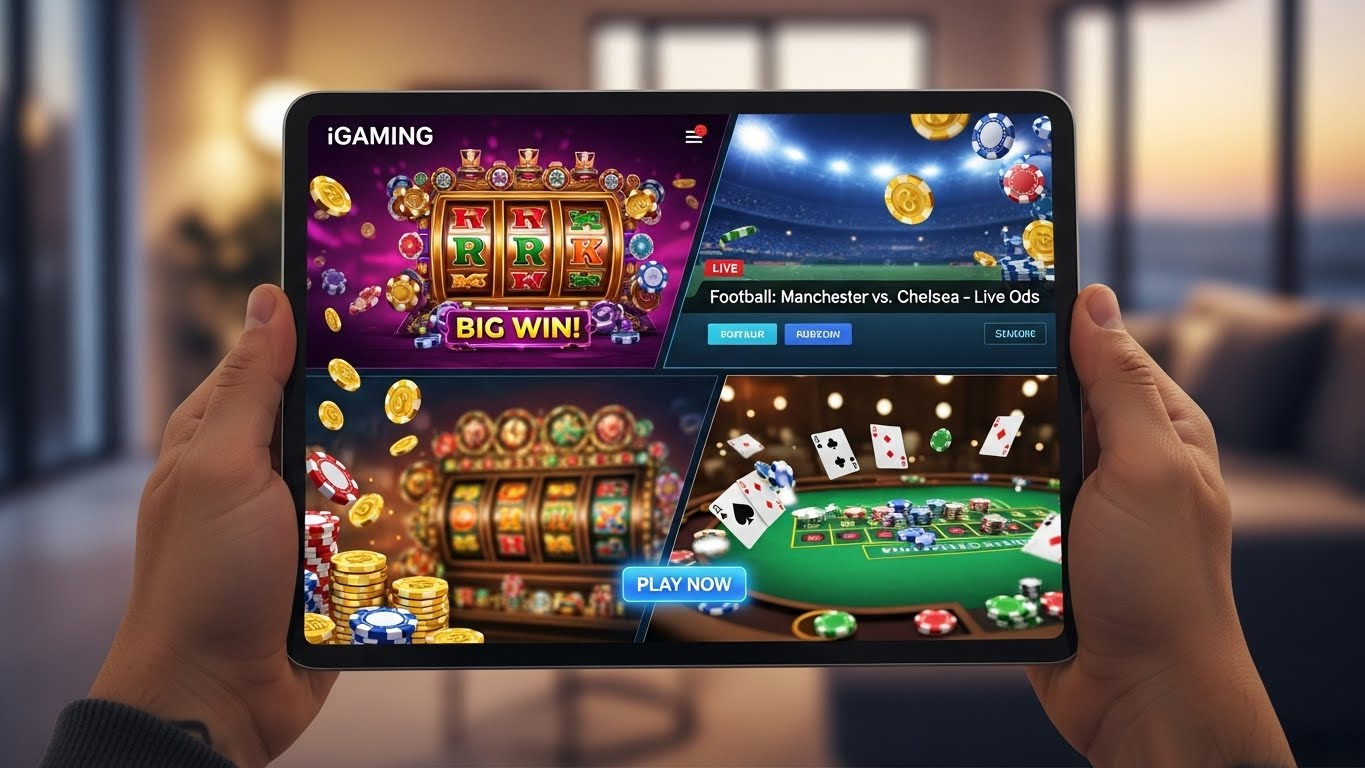
The world of gambling has undergone a seismic shift in the last two decades. What once required a trip to a casino or betting shop has now been transformed into a booming online industry. Enter iGaming, the umbrella term for all types of online gaming and gambling. From online casinos and poker rooms to sports betting and eSports wagering, iGaming has brought the thrill of gambling to the fingertips of millions worldwide. This blog post takes a closer look at the rise of iGaming, its diverse offerings, technological innovations, and the regulatory landscape, as well as its impact on global entertainment and culture.
What is iGaming?
At its core, iGaming refers to any gambling activity that takes place over the internet. This includes online casinos, sports betting, poker, bingo, and even fantasy sports leagues. In essence, iGaming is an entire ecosystem that spans various forms of digital gambling and gaming, allowing people to engage in traditional betting activities like blackjack, roulette, and poker, all from the comfort of their own homes or on-the-go via mobile apps.
iGaming has grown significantly over the past two decades due to advances in technology, accessibility, and a shift in societal attitudes toward online gaming. The global iGaming market is valued at billions of dollars, and it continues to grow at a rapid pace. With its accessibility and the thrill of live betting, iGaming has opened up a world of possibilities for gambling enthusiasts everywhere.
The History and Evolution of iGaming
While gambling has been part of human culture for centuries, the rise of iGaming can be traced back to the 1990s, when the internet began to take off. The first real breakthrough came in 1994 with the passing of the Free Trade and Processing Act in Antigua and Barbuda, which allowed online gambling operators to obtain licenses and legally offer their services on the internet. This act paved the way for the creation of the first online casino, InterCasino, which went live in 1996.
The introduction of online poker in 1998 was another milestone for the iGaming industry. Poker rooms such as PokerStars and PartyPoker allowed players to compete against others in real-time, marking the beginning of online poker’s rise to fame. By the early 2000s, online gambling had become a global phenomenon, with hundreds of websites offering a wide variety of gambling experiences, from blackjack and slots to sports betting and virtual poker.
The 2010s saw significant advancements in mobile technology, which further accelerated the popularity of iGaming. The development of smartphones and mobile apps allowed players to engage in online gambling from anywhere and at any time, making it more convenient than ever before. Today, mobile iGaming has become a dominant force in the industry, with many operators focusing on creating mobile-optimized platforms to cater to the growing number of users on smartphones and tablets.
The Different Types of iGaming
iGaming encompasses a wide range of gambling activities, each with its own unique appeal. Below, we’ll explore the various types of iGaming that have captured the attention of players around the world.
Online Casinos
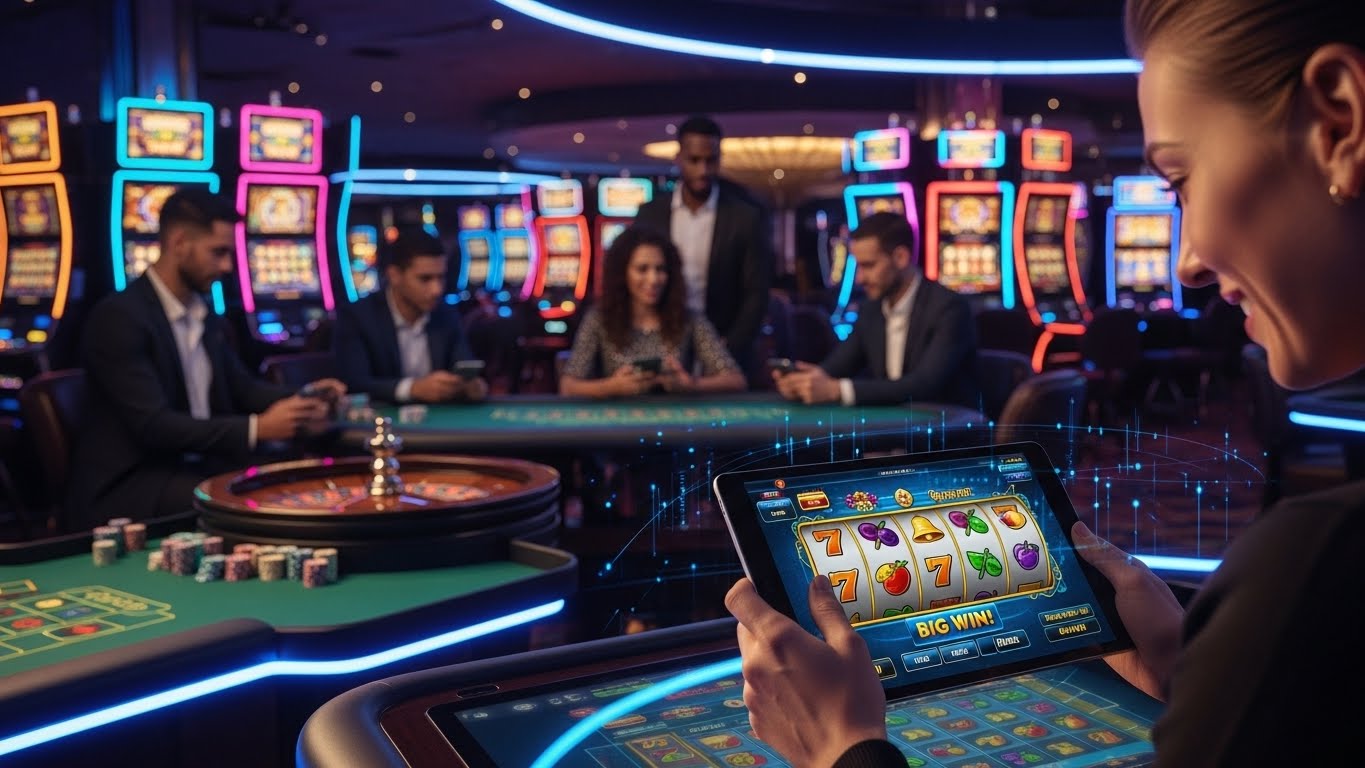
Online casinos are the cornerstone of iGaming, offering a digital version of traditional casino games. Players can access a variety of games, including slots, blackjack, roulette, baccarat, and poker. These games are often powered by software providers such as Microgaming, NetEnt, and Evolution Gaming, which ensure that the games are fair, random, and entertaining.
One of the key attractions of online casinos is the ability to play for real money, which adds an element of excitement and risk. Online casinos also offer a variety of bonuses, such as welcome bonuses, free spins, and loyalty rewards, which attract both new players and keep existing ones coming back for more.
Sports Betting
Sports betting has been a part of the gambling industry for centuries, but the rise of iGaming has brought this activity to the digital age. Online sports betting allows players to wager on virtually every sport imaginable, from football and basketball to horse racing and eSports. Players can place bets on live events, as well as pre-match markets, using real-time odds that are constantly updated.
Many iGaming operators have developed betting apps that make it easy for players to place bets on the go. Live betting, or in-play betting, is also a major feature in modern sports betting, allowing players to place wagers during a game, often as the action unfolds. The increased accessibility, combined with real-time odds and live-streaming of sporting events, has contributed to the growth of sports betting in the iGaming space.
Online Poker
Online poker has experienced explosive growth, particularly in the 2000s, with major platforms like PokerStars, 888Poker, and Full Tilt Poker becoming household names. The appeal of online poker lies in the ability to compete against players from around the world in a variety of formats, including Texas Hold’em, Omaha, and Seven-Card Stud.
Players can participate in cash games, sit-and-go tournaments, and multi-table tournaments (MTTs), with the potential to win large sums of money. Poker’s strategic depth, the thrill of bluffing, and the social aspect of playing with others have contributed to its enduring popularity in the iGaming space.
eSports Betting
eSports, or competitive video gaming, has become one of the fastest-growing sectors in the iGaming industry. Players can now wager on professional eSports events, where top gamers compete in games like League of Legends, Dota 2, Counter-Strike: Global Offensive, and Overwatch.
The appeal of eSports betting lies in its fast-paced nature, the skill level of the players, and the growing global audience. As eSports tournaments attract millions of viewers and offer large cash prizes, fans are increasingly getting involved by placing bets on their favorite teams or players. eSports betting sites offer odds on a wide variety of markets, including match winners, individual player performance, and even map results.
Fantasy Sports
Fantasy sports have seen a massive surge in popularity, particularly in North America, with Fantasy Football leading the charge. Players draft real athletes to form their own teams and earn points based on their performance in real-world matches. Daily Fantasy Sports (DFS) platforms such as DraftKings and FanDuel have capitalized on this trend, offering users the chance to compete in daily or weekly contests for cash prizes.
DFS has become a form of skill-based iGaming, where players use their knowledge of sports to make informed decisions about player selections, strategies, and matchups. The ability to participate in fast-paced, short-term contests has made DFS a highly appealing alternative to traditional sports betting.
The Technology Behind iGaming
iGaming would not be the thriving industry it is today without the advancements in technology that have helped shape it. Let’s take a look at some of the key technologies that power the iGaming sector.
Random Number Generators (RNG)
One of the most crucial technologies in online gambling is the Random Number Generator (RNG). RNGs are used in games like slots, roulette, and blackjack to ensure that game outcomes are completely random and fair. RNGs simulate the randomness of real-world events, meaning that no player or operator can predict or influence the results. For players, this ensures fairness and transparency, which is vital for maintaining trust in online casinos and betting platforms.
Live Dealer Games
Live dealer games are an exciting innovation in the iGaming world. Powered by live-streaming technology, these games allow players to interact with real-life dealers in real-time, giving the feel of a physical casino experience from the comfort of their home. Popular games like live blackjack, live roulette, and live baccarat are broadcasted from professional studios or actual casinos, offering players an immersive experience that mimics the atmosphere of land-based gambling.
Mobile Platforms and Apps
The rise of smartphones and mobile technology has played a significant role in the expansion of iGaming. Mobile platforms and dedicated gambling apps allow players to access their favorite games and place bets on the go. Whether through iOS or Android devices, mobile technology has made iGaming more accessible, ensuring that players can enjoy a full gambling experience no matter where they are.
Blockchain and Cryptocurrencies
Blockchain technology and cryptocurrencies like Bitcoin have started to make waves in the iGaming world. Blockchain can offer more transparent and secure transactions, while cryptocurrencies provide an additional layer of anonymity and convenience for players. The integration of blockchain into online gambling platforms has the potential to reduce fraud, speed up payments, and provide players with greater control over their funds.
Legal and Regulatory Landscape of iGaming
As iGaming continues to grow, the legal and regulatory framework surrounding it becomes increasingly important. Different countries have varying laws regarding online gambling, and operators must comply with local regulations to operate legally. In many regions, such as the European Union, online gambling is heavily regulated to ensure fair play, consumer protection, and responsible gambling.
In the United States, the legality of iGaming varies from state to state. While online casinos and poker are legal in some states like New Jersey and Pennsylvania, others still have strict laws against online gambling. As more states legalize iGaming and sports betting, the industry is expected to continue growing in both size and legitimacy.
The Future of iGaming
The future of iGaming looks incredibly bright, with several trends poised to shape its next phase of growth. Virtual Reality (VR) and Augmented Reality (AR) are expected to create even more immersive gaming experiences, while artificial intelligence (AI) will help improve customer service, game design, and personalized gaming experiences. Additionally, the continued rise of mobile gaming and the potential integration of 5G technology will further expand the reach and accessibility of online gambling.