 forgemania61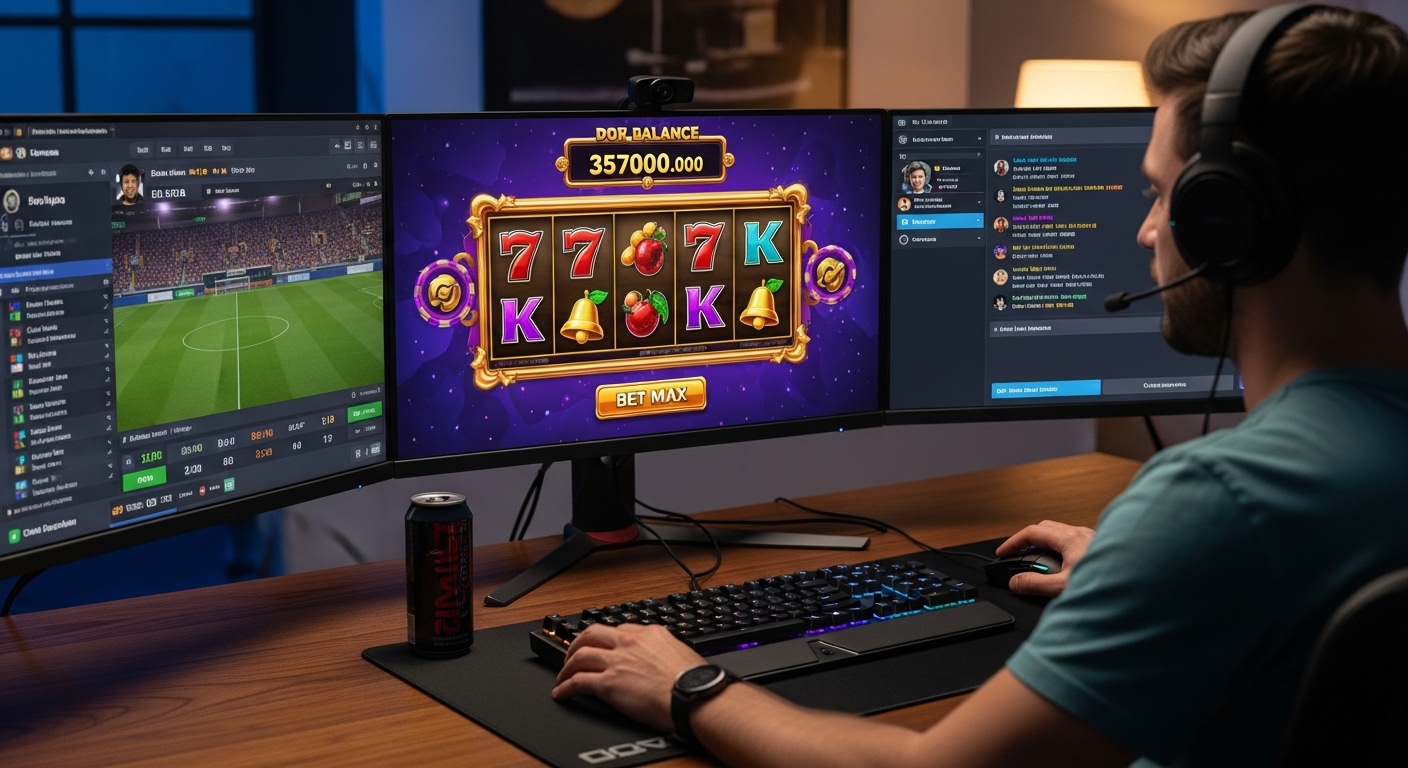
The world of iGaming, or internet gaming, has evolved dramatically in recent years, offering players the chance to engage in everything from online casinos to eSports betting and virtual sports. As technology advances, so too does the potential of online gambling, which has become a global industry worth billions. This blog post delves into the various facets of iGaming, looking at current trends, challenges, and what the future holds for this dynamic sector.
What is iGaming?
iGaming refers to the interactive online gambling space, where players can participate in games of chance, strategy, or skill over the internet. This includes online casinos, sports betting, poker, bingo, and even fantasy sports leagues. The industry is regulated differently across various countries, with some jurisdictions offering comprehensive legal frameworks while others have more relaxed or restrictive rules.
The Rise of Mobile Gaming
One of the most significant shifts in the iGaming sector has been the explosive growth of mobile gaming. With the proliferation of smartphones, players now have the ability to enjoy their favorite casino games or place bets on sports from virtually anywhere in the world. Mobile platforms have become optimized for smooth gameplay, offering everything from live dealer games to virtual slots, all within a few taps.
This shift has also led to the rise of mobile-first casinos and gaming apps that provide seamless experiences across various devices. The demand for on-the-go gaming continues to grow, and developers are continually improving the mobile interface to ensure that players can enjoy an immersive experience no matter where they are.
Key iGaming Trends to Watch
- Virtual Reality (VR) and Augmented Reality (AR)
VR and AR are poised to change the landscape of iGaming by providing more immersive experiences. Virtual reality casinos are already in development, allowing players to step into a 3D world where they can interact with dealers, other players, and the environment, creating a more lifelike gaming experience. Augmented reality could further enhance this experience, adding a layer of interaction between the digital and real world. - Live Dealer Games
The live dealer format has gained significant popularity over the past few years. These games allow players to engage with real human dealers in real time, offering a more authentic casino experience. The appeal lies in the ability to interact with the dealer and other players, which adds a social element that online games previously lacked. - Cryptocurrency Integration
Cryptocurrency, particularly Bitcoin, has started to make its way into iGaming platforms. Many online casinos now accept cryptocurrency deposits and withdrawals, offering players a faster and more secure way to manage their funds. Cryptocurrency also appeals to users who value anonymity and privacy, as well as those seeking to avoid high banking fees. - Esports Betting
As the world of competitive gaming (eSports) has exploded in popularity, so has the opportunity for betting on eSports events. Major tournaments like League of Legends, Dota 2, and Fortnite now attract millions of viewers, many of whom place bets on their favorite teams or players. The expansion of eSports betting has introduced a younger, tech-savvy demographic to the world of iGaming. - Artificial Intelligence (AI) and Machine Learning
AI and machine learning technologies are helping to personalize the gaming experience. From smarter game recommendations based on user behavior to AI-powered chatbots for customer support, these technologies are enhancing both the player experience and the operational efficiency of iGaming platforms.
Legal and Regulatory Challenges
While the iGaming industry continues to grow, it faces significant legal and regulatory hurdles. Different countries have varying approaches to online gambling, with some jurisdictions fully embracing it, while others have stringent laws or outright bans.
For example, in the United States, the legalization of online gambling is still a patchwork, with some states offering regulated online casinos and sports betting, while others have yet to introduce any form of iGaming legislation. On the other hand, European countries like the UK have well-established frameworks that regulate everything from game fairness to player protection.
The constantly shifting landscape of iGaming laws poses challenges for operators who need to stay compliant with local regulations while offering a global service. Additionally, issues like responsible gambling practices, age verification, and the prevention of money laundering remain top priorities for regulators.
The Future of iGaming
The future of iGaming looks bright, but it will undoubtedly continue to evolve as new technologies emerge. With innovations like 5G networks, players can expect even faster and more seamless gaming experiences, including enhanced live streaming for sports betting and casino games.
Blockchain technology could also revolutionize the sector by offering decentralized platforms that ensure transparency and fairness. As players demand more secure, transparent, and engaging gaming options, iGaming operators will need to adopt cutting-edge technologies to remain competitive.
Furthermore, as responsible gaming initiatives become more widespread, operators will increasingly focus on player safety and wellbeing. Features like self-exclusion, deposit limits, and monitoring tools will be integrated into platforms to promote safe gambling practices.
Conclusion
iGaming has come a long way since its early days, transforming into a massive industry with a global audience. The ongoing technological advancements in mobile gaming, VR, AR, and AI, coupled with the rise of new betting categories like eSports, point to a future filled with exciting opportunities. However, the industry must also navigate the complexities of legal and regulatory frameworks, all while prioritizing responsible gaming practices.
For players, this evolving world of iGaming offers an expanding range of options for entertainment, and for operators, it presents a dynamic, fast-paced environment where staying ahead of the curve is crucial. One thing is clear: the future of iGaming is filled with endless possibilities.