 forgemania61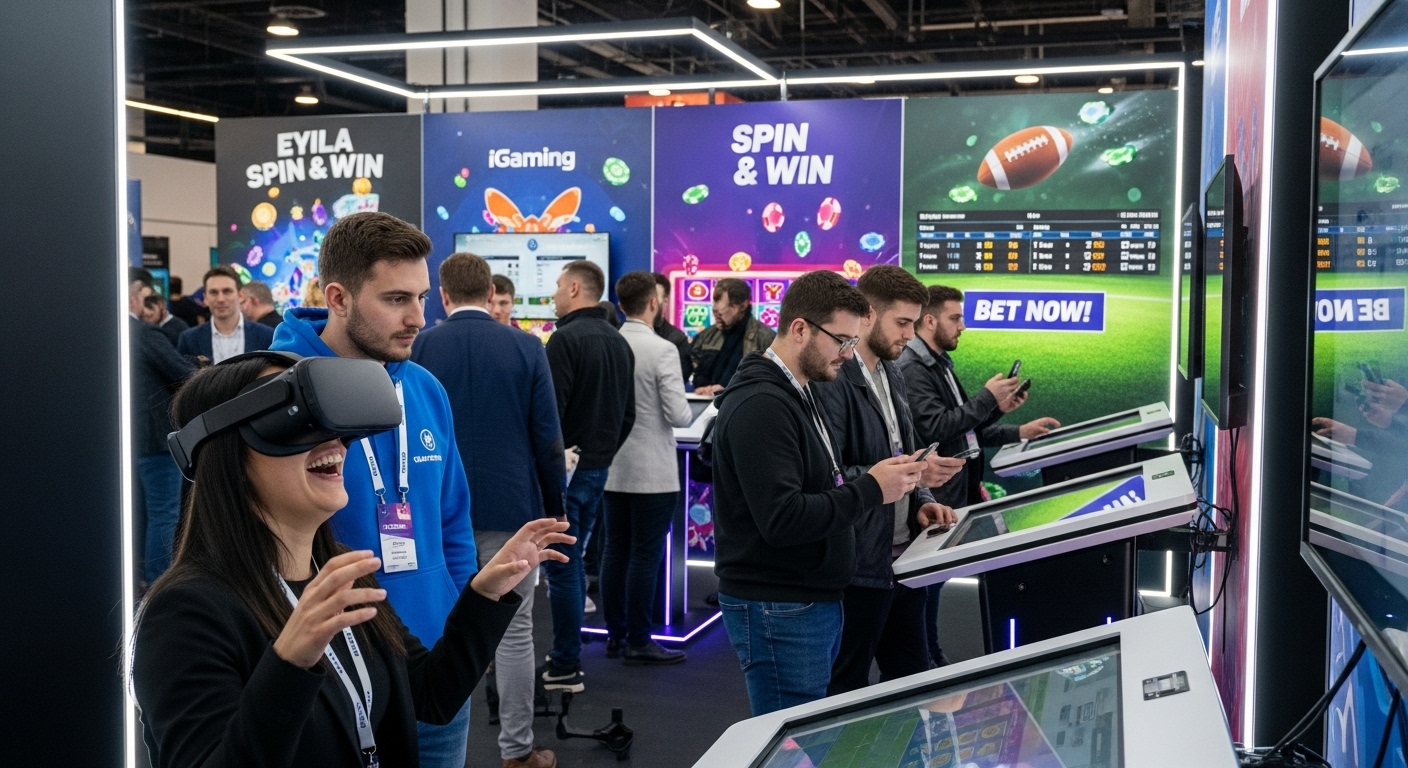
Introduction
The digital era has transformed entertainment in ways that were unimaginable just a few decades ago. Among the most significant developments is the rise of iGaming, a sector that merges technology, creativity, and user engagement into a powerful global phenomenon. iGaming, encompassing online casino games, skill-based competitions, virtual sports, and interactive digital platforms, has grown beyond casual entertainment to become an influential industry shaping social, cultural, and economic landscapes. This blog delves into the world of iGaming, exploring its evolution, technological advancements, cultural impact, economic significance, and future potential.
The Early Days of iGaming
iGaming began as a niche online pastime in the late 1990s and early 2000s. Early platforms offered simple browser-based games that allowed users to experience digital amusement from their desktops. While these early games were limited in design and functionality, they established the foundation for a digital gaming revolution. Players could engage without physical consoles or in-person opponents, connecting virtually with others across different locations.
These initial experiences highlighted the potential of the internet as a platform for entertainment. Developers recognized that the digital space could host interactive, engaging content with virtually unlimited reach. The success of early iGaming platforms paved the way for more sophisticated games, larger communities, and eventually, the professionalization of the industry.
Technological Advancements Driving Growth
iGaming’s growth is closely linked to technological advancements. High-speed internet has enabled real-time interactions and seamless gameplay, while improved hardware supports complex graphics, smoother mechanics, and immersive experiences. Cloud computing allows users to enjoy high-quality games without investing in expensive equipment, broadening access to new audiences.
Artificial intelligence has revolutionized iGaming design, enabling adaptive gameplay, dynamic difficulty adjustments, and smarter virtual opponents. Virtual reality and augmented reality are creating immersive environments that allow players to interact with digital worlds in unprecedented ways. These technological developments continue to push the boundaries of what iGaming can offer, making it more engaging, realistic, and interactive.
Mobile Gaming and On-the-Go Entertainment
One of the most transformative changes in iGaming has been the rise of mobile gaming. Smartphones have made digital entertainment portable, allowing players to access games anytime, anywhere. Mobile iGaming has significantly expanded the audience, attracting casual gamers and enthusiasts alike.
Mobile platforms are designed for intuitive touch controls, shorter play sessions, and social interactivity, catering to modern lifestyles. Developers optimize games for mobile performance, ensuring smooth gameplay, rich visuals, and engaging mechanics. The convenience and accessibility of mobile iGaming have made it one of the fastest-growing segments in the entertainment industry.
The Social Aspect of iGaming
Modern iGaming is not just about solitary play; it emphasizes social connectivity. Multiplayer features, chat functions, and community integration enhance engagement and foster collaboration. Players can compete with friends, join guilds or teams, and participate in tournaments that span the globe.
Social connectivity transforms gaming from a solitary hobby into a shared experience. Online communities flourish around popular games, offering spaces for discussion, strategy sharing, fan content, and collaboration. These social features deepen player investment, making iGaming not just a form of entertainment but a platform for communication and relationship-building.
Diversity of iGaming Experiences
iGaming encompasses a vast spectrum of experiences. Skill-based games challenge strategic thinking and reflexes, while casual games provide relaxation and simple entertainment. Online casinos offer simulations of traditional gambling experiences with slot machines, poker, and roulette, while virtual sports and fantasy leagues allow players to engage with competitive simulations of real-world activities.
Gamification elements like rewards, achievements, and leaderboards enhance engagement by motivating players to progress and compete. The diversity of iGaming ensures that it appeals to a wide audience, catering to different interests, skill levels, and gaming preferences. This variety strengthens its cultural relevance and global reach.
Economic Impact of iGaming
iGaming has become a major economic force. Revenue streams include digital purchases, subscriptions, in-game transactions, and event participation. The industry supports millions of jobs, ranging from game development, software engineering, and design to customer support, marketing, and event management.
The growth of iGaming stimulates investment, encourages entrepreneurship, and drives technological innovation. Independent developers can reach global audiences without traditional distribution channels, while larger organizations continue to expand through partnerships, sponsorships, and high-profile competitions. This economic influence highlights the industry’s significance beyond entertainment, reflecting its role in shaping global digital economies.
Responsible iGaming and Player Wellbeing
With the growth of iGaming, responsible gaming practices have become essential. Platforms now implement features such as time management reminders, play limits, and resources for mental health awareness to ensure players engage in a safe and balanced manner.
Players benefit from self-regulation, maintaining control over their gaming habits to avoid negative impacts on daily life. Responsible iGaming practices are vital for sustaining long-term engagement, building trust, and promoting a healthy digital entertainment environment. The industry’s commitment to player wellbeing reflects its maturation and professional standards.
Innovations That Keep Players Engaged
Innovation drives the continuous evolution of iGaming. Developers explore new mechanics, adaptive gameplay, and creative storytelling to retain player interest. Personalized experiences, such as avatar customization, interactive narratives, and evolving challenges, increase engagement by allowing players to shape their own gaming journey.
Artificial intelligence enhances the user experience by creating responsive environments and intelligent virtual opponents. Cloud technology enables cross-platform compatibility, allowing players to transition seamlessly between mobile, console, and desktop environments. Innovation ensures that iGaming remains dynamic, competitive, and appealing to an increasingly discerning global audience.
Global Cultural Influence of iGaming
iGaming has become more than entertainment; it has a significant cultural influence. Popular games shape trends in fashion, music, and online behavior. Virtual worlds inspire creativity in art, design, and storytelling, while competitive events generate excitement and shared experiences among diverse communities.
The rise of esports, a segment closely tied to iGaming, demonstrates the cultural power of digital gaming. Professional competitions attract millions of viewers, creating celebrities, role models, and a shared language for players worldwide. iGaming fosters creativity, social interaction, and cross-cultural exchange, contributing to global digital culture.
The Future of iGaming
The future of iGaming is poised for exponential growth. Emerging technologies like virtual reality, augmented reality, and artificial intelligence will provide more immersive, personalized, and interactive experiences. Cross-platform integration will make games accessible on multiple devices, expanding audience reach and engagement.
Developers will continue to explore creative storytelling, adaptive gameplay, and innovative mechanics that enhance immersion. As global connectivity increases, iGaming will attract broader audiences, influence culture, and inspire new forms of digital entertainment. The industry’s evolution promises endless possibilities for players, creators, and investors alike.
Conclusion
iGaming represents a transformative force in modern entertainment. Its evolution from simple online games to sophisticated, interactive platforms reflects advancements in technology, changing consumer preferences, and a growing demand for social and immersive experiences. The industry offers diverse gaming experiences, economic opportunities, and cultural influence, making it one of the most significant sectors in digital entertainment.
As iGaming continues to innovate and expand, it will shape the way people play, interact, and engage with digital media. Its combination of accessibility, creativity, and social connectivity ensures that it remains a vital and dynamic part of global entertainment. The iGaming revolution is not just a trend; it is a lasting shift in how entertainment is created, consumed, and experienced worldwide.