 forgemania61
Introduction
The world of entertainment has undergone a massive transformation in the past two decades, and one of the most remarkable revolutions has been the rise of iGaming. iGaming, or interactive gaming, refers to playing games of chance or skill over the internet — including online casinos, poker, sports betting, lotteries, and virtual gaming experiences. It represents the merging of traditional gaming with digital innovation, creating an industry that is now worth billions and continues to expand rapidly across the globe.
The success of iGaming lies in its ability to combine accessibility, technology, and excitement. What once required a trip to a casino or betting shop can now be enjoyed from the comfort of one’s home or even on a mobile device. This digital convenience has not only changed how people play but has also shaped the economy, technology, and culture of modern entertainment.
The Origins of iGaming
The concept of iGaming began in the mid-1990s, when the internet first became publicly accessible. The year 1994 is often cited as the birth of the online gaming industry. That year, the Caribbean nation of Antigua and Barbuda passed the Free Trade and Processing Act, allowing companies to apply for licenses to operate online casinos.
The first online casinos were simple websites offering basic versions of blackjack, roulette, and slot machines. The technology was limited, graphics were primitive, and internet speeds were slow, but the idea of playing casino games online was revolutionary. It didn’t take long for entrepreneurs to recognize the potential.
By the late 1990s, dozens of online gaming sites had launched, each offering more advanced graphics, better interfaces, and larger game selections. The introduction of secure online payment methods further helped the industry gain credibility and popularity.
The Technological Foundations of iGaming
Technology has always been the backbone of iGaming’s success. Early on, developers faced significant challenges — from ensuring security in online payments to maintaining fairness and preventing fraud. Over time, advancements in encryption, data storage, and user verification built the foundation for trust in the iGaming world.
The introduction of Random Number Generators (RNGs) ensured fairness in games by generating unpredictable results. This innovation was crucial in proving to users that online games were not rigged. Later, the development of real-time software platforms and high-speed internet connections allowed for live dealer games, where real human dealers could interact with players through video streaming technology.
Modern iGaming now relies on complex technologies such as artificial intelligence, blockchain, and cloud computing. AI is used to enhance user experiences, detect fraud, and provide personalized game recommendations. Blockchain adds transparency by allowing players to verify the fairness of games, while cloud gaming enables high-quality performance across devices without requiring powerful hardware.
The Growth of Online Casinos
Online casinos remain the heart of the iGaming industry. From a few dozen sites in the 1990s, there are now thousands of online casinos offering thousands of different games. The variety is staggering: from traditional table games like poker and roulette to themed video slots, progressive jackpots, and even interactive story-driven games.
One of the biggest drivers of online casino growth is convenience. Players can log in from anywhere, deposit funds securely, and start playing instantly. The ability to play on smartphones and tablets has made gaming even more accessible. Mobile gaming now accounts for more than half of iGaming revenue globally.
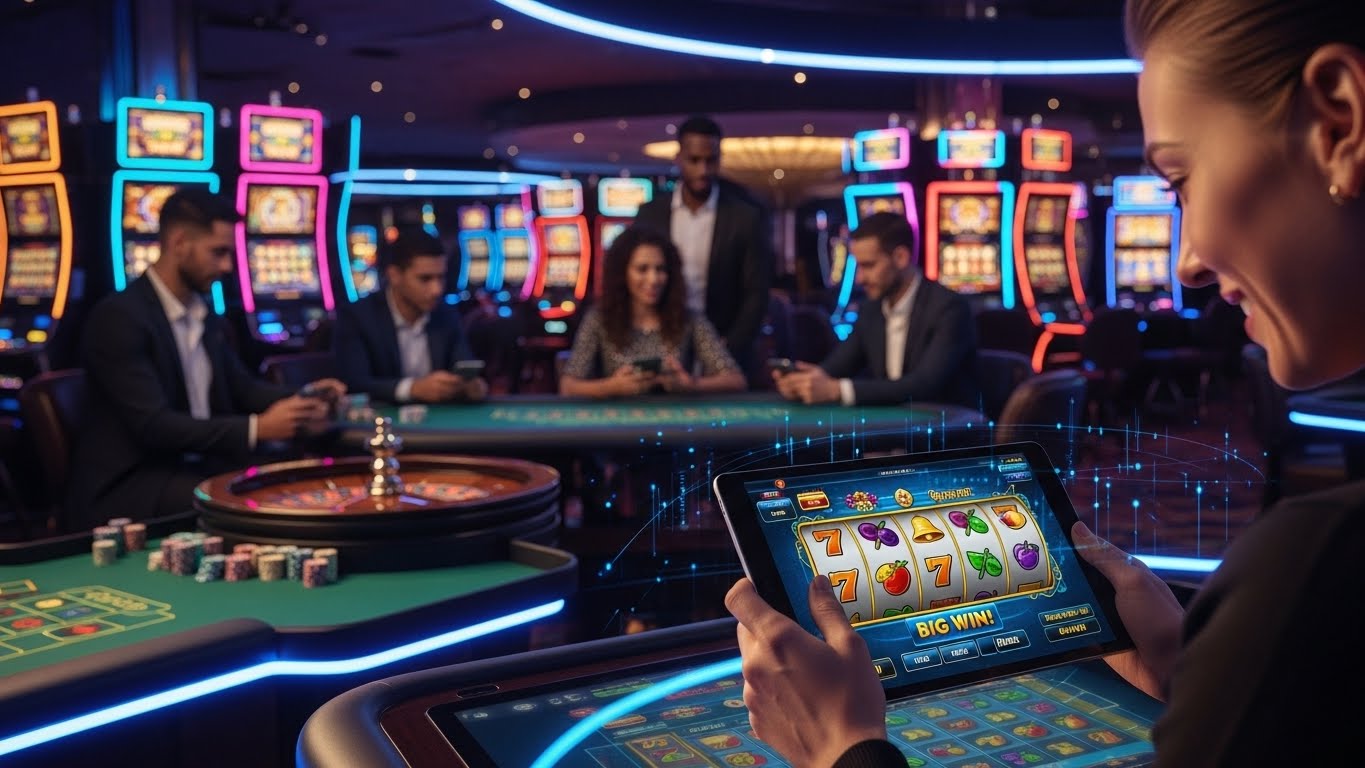
Modern casino platforms offer immersive experiences with realistic graphics, sound effects, and animations that rival physical casinos. Many also include live dealer games, allowing players to experience the thrill of interacting with professional dealers in real time.
The success of online casinos is not just about games; it’s also about community. Many sites offer chat features, tournaments, and loyalty programs that create a sense of belonging and engagement among players.
The Expansion of Online Sports Betting
Sports betting has always been one of the most popular forms of gambling, and its transition to the digital world has transformed it into a global entertainment phenomenon. iGaming platforms now allow users to place bets on sports events from around the world — from football and cricket to eSports and virtual racing.
The appeal of online sports betting lies in its interactivity and convenience. Bettors can follow live events, check real-time odds, and place bets instantly, all from their phones or computers. In-play or live betting — where wagers can be placed during an ongoing event — has become particularly popular, turning every match into an engaging, fast-paced experience.
Technological innovations such as data analytics and predictive algorithms have made sports betting more strategic. Players can use real-time statistics, AI-generated insights, and even machine learning models to improve their decision-making.
Sports betting also plays a significant cultural role. Major events like the FIFA World Cup, Super Bowl, and Olympics attract millions of online bettors, creating shared excitement and community engagement across borders.
The Rise of Mobile iGaming
One of the greatest revolutions in the gaming world came with the smartphone. Mobile technology has redefined how people interact with iGaming platforms. No longer confined to desktops, players can now enjoy their favorite games anywhere, anytime.
The growth of mobile gaming was fueled by the increasing power of smartphones, faster internet connections, and intuitive app designs. Developers optimized their platforms for smaller screens without compromising on quality, ensuring that users have smooth, immersive experiences.
Mobile gaming is particularly appealing to younger audiences who value convenience and accessibility. With push notifications, instant play options, and mobile-friendly interfaces, iGaming apps have become a dominant force in the entertainment industry.
As 5G networks expand globally, the mobile iGaming experience continues to improve, offering faster loading times, higher-quality graphics, and enhanced security.
The Role of Live Dealer Games
Live dealer gaming bridges the gap between traditional casinos and online platforms. Players interact with real dealers through high-definition video streaming, bringing authenticity and social engagement back to digital gaming.
Games such as live blackjack, roulette, baccarat, and poker are streamed from studios designed to replicate real casino environments. Advanced camera angles, professional dealers, and instant chat features create an atmosphere of realism and excitement.
The popularity of live dealer games demonstrates a growing demand for interactive and social experiences in iGaming. Players no longer want to play against algorithms alone; they seek human interaction, community, and a genuine sense of presence.
The Emergence of Virtual and Augmented Reality in iGaming
Virtual reality (VR) and augmented reality (AR) are pushing the boundaries of what is possible in iGaming. These technologies offer immersive, three-dimensional experiences that transport players into lifelike virtual casinos.
In a VR casino, players can walk through digital environments, interact with other users, and engage with slot machines or tables as if they were physically present. AR, on the other hand, enhances the real world by overlaying digital elements, creating hybrid experiences that blend the physical and virtual realms.
While still in early stages, VR and AR gaming are expected to become major trends in the coming years. As hardware becomes more affordable and software more advanced, these technologies will redefine what it means to play and interact online.
The Role of Blockchain and Cryptocurrencies
Blockchain technology has introduced new levels of transparency and security to the iGaming industry. By using decentralized ledgers, blockchain ensures that every transaction and outcome is verifiable, creating trust between players and operators.
Cryptocurrencies like Bitcoin, Ethereum, and stablecoins have also become popular payment methods in iGaming. They allow for faster transactions, lower fees, and greater privacy compared to traditional payment systems.
Some platforms have taken blockchain integration even further by developing decentralized casinos, where players can verify game fairness and participate in governance through token-based systems. This shift toward decentralization may define the next phase of iGaming’s evolution, giving users more control and transparency.
Regulation and Legal Framework
As iGaming expanded, regulation became essential to ensure fairness, protect players, and prevent illegal activities. Different countries have adopted varying approaches — some have embraced iGaming with clear licensing systems, while others maintain strict bans.
Regulation typically covers areas such as player protection, responsible gambling, anti-money laundering, and data security. Licensed operators are required to follow strict standards to ensure that their platforms are safe, fair, and transparent.
The introduction of age verification systems, self-exclusion programs, and spending limits reflects a growing emphasis on responsible gaming. Regulatory bodies now focus not only on compliance but also on promoting player well-being.
The Economic Impact of iGaming
The iGaming industry is one of the fastest-growing sectors of the global economy. It generates billions of dollars annually, providing jobs and tax revenues worldwide.
The expansion of iGaming has driven innovation in software development, cybersecurity, marketing, and financial technology. It has also spurred partnerships between gaming operators, payment providers, and tech companies.
In regions where iGaming is regulated, governments benefit from licensing fees and tax revenues, which can support public programs and infrastructure. The industry’s economic contribution extends beyond gambling itself, influencing tourism, media, and digital entertainment sectors.
Responsible Gaming and Player Protection
With the rise of online gaming accessibility, the importance of responsible gaming has never been greater. While iGaming offers fun and excitement, it also carries risks such as addiction and financial harm if not managed properly.
Responsible gaming initiatives aim to educate players, promote self-awareness, and provide tools for self-regulation. Many platforms now include deposit limits, loss tracking, and time management features to help users play safely.
Organizations and regulatory bodies collaborate to develop prevention programs and provide resources for players seeking support. The future of iGaming depends on maintaining a balance between entertainment and ethical responsibility.
The Social Aspect of iGaming
One of the most fascinating developments in iGaming is its ability to connect people socially. Online gaming communities, chat features, multiplayer tournaments, and live dealer games create opportunities for interaction and friendship.
Unlike the solitary image once associated with gambling, modern iGaming promotes engagement and collaboration. Players can share experiences, strategies, and even compete in global events that build community and excitement.
Social media integration further amplifies this effect, allowing players to share achievements and participate in collective gaming cultures.
The Future of iGaming
The future of iGaming is poised for continuous growth and transformation. As technology evolves, we can expect new forms of gameplay, enhanced realism, and deeper personalization. Artificial intelligence will play a larger role in customizing player experiences, while virtual and augmented realities will redefine immersion.
The integration of blockchain and decentralized finance will increase transparency and user control. Meanwhile, advances in data analytics will help operators understand player behavior and preferences better, leading to smarter, safer gaming environments.
Global legalization trends suggest that more countries will embrace iGaming under regulated frameworks, expanding access while ensuring protection. The industry’s focus on sustainability, ethics, and innovation will determine how it continues to shape the future of entertainment.
Conclusion
iGaming represents one of the most dynamic and influential revolutions in modern entertainment. What began as a simple experiment in online gaming has grown into a sophisticated, multi-billion-dollar global industry driven by technology, creativity, and human connection.
It has redefined the way people play, interact, and engage with digital experiences. From online casinos and sports betting to virtual reality and blockchain-powered platforms, iGaming stands at the crossroads of innovation and entertainment.
As technology continues to advance, iGaming will only grow more immersive, inclusive, and intelligent — offering endless possibilities for the future of play.