 forgemania61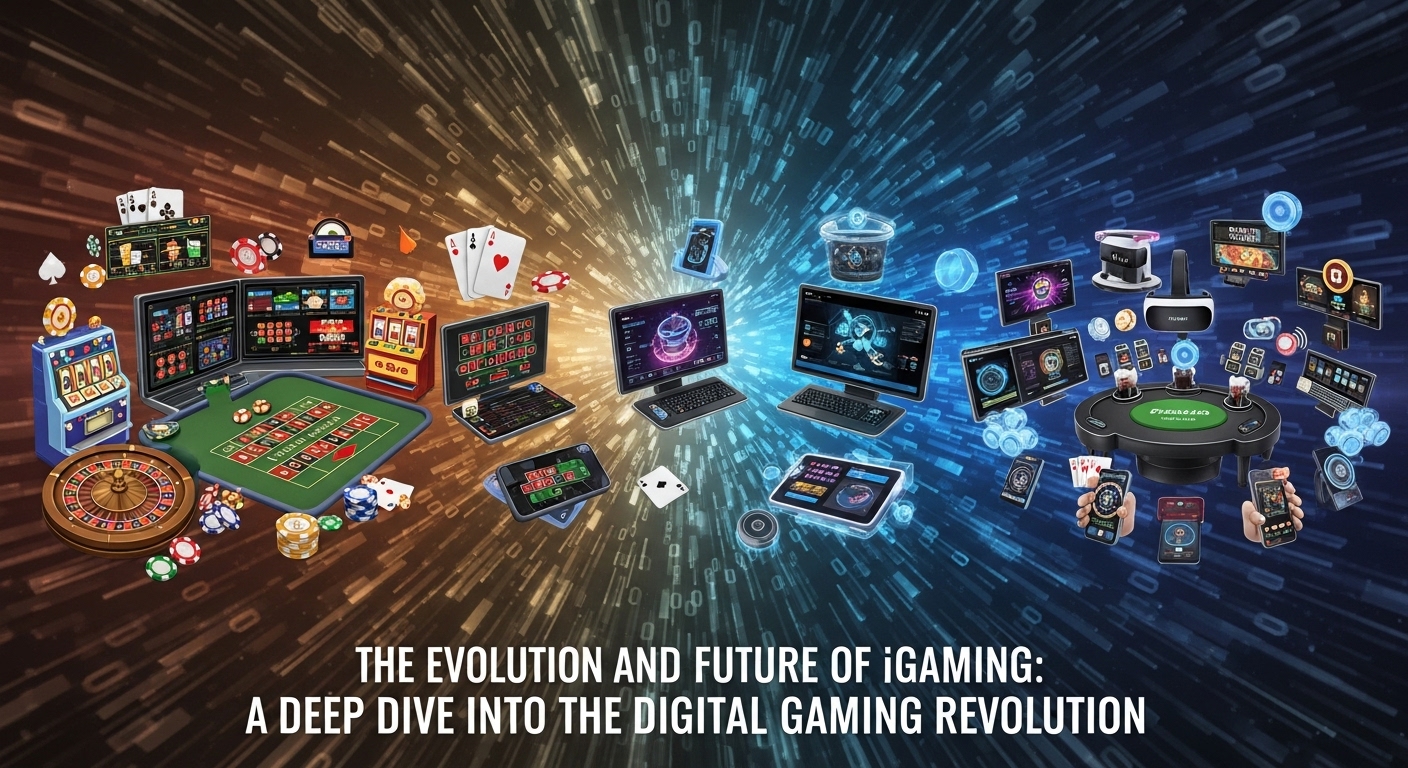
The world of iGaming has grown exponentially over the past decade, becoming one of the most dynamic sectors in the entertainment and digital economy. iGaming, or interactive gaming, encompasses online gambling, casino games, sports betting, and even eSports wagering. The industry thrives on technology, innovation, and the ability to engage players across different platforms, including mobile, desktop, and now even augmented reality. In this post, we will explore the iGaming landscape, examine its key trends, understand the technology driving it, and consider its future.
Understanding iGaming
iGaming refers to all forms of online gaming where real money is involved. Unlike traditional video games, iGaming primarily focuses on gambling, betting, and the chance to win money. The core areas of iGaming include online casinos, poker rooms, sports betting, lotteries, and increasingly, fantasy sports. Each of these segments has its own audience, rules, and unique experience, but what unites them is the use of technology to facilitate gameplay and transactions.
The convenience of iGaming is one of its biggest appeals. Players no longer have to travel to brick-and-mortar casinos or betting shops. Instead, they can play from anywhere in the world at any time, provided they have an internet connection. This accessibility has dramatically expanded the market, attracting millions of users globally.
Evolution of iGaming
The iGaming industry has not always been as sophisticated as it is today. In the early days, online casinos were simple web-based platforms that offered basic slot games or roulette. These platforms had limited graphics, basic interfaces, and rudimentary security measures. Over time, improvements in internet speed, software development, and secure payment solutions transformed iGaming into a seamless, immersive experience.
Mobile technology has been a game-changer for iGaming. Smartphones and tablets have made it possible for players to access games on the go, pushing operators to design mobile-optimized platforms. Live dealer games, which simulate a real casino experience with live streaming of dealers, have further enhanced realism, bridging the gap between online and offline gambling.
Key iGaming Segments
Online Casinos
Online casinos remain the cornerstone of the iGaming industry. They offer a wide variety of games, including slots, blackjack, roulette, baccarat, and video poker. The appeal of online casinos lies in their diversity and the potential to win real money without leaving home. Modern online casinos also provide bonuses, loyalty programs, and promotions to attract and retain players.
One trend in online casinos is the rise of themed slot games. These games incorporate popular movies, TV shows, and cultural references to enhance engagement. Additionally, progressive jackpots, where the prize pool grows with every bet placed, have created multi-million-dollar winners, adding excitement and allure to online gambling.
Sports Betting
Sports betting is another critical segment of iGaming. Players wager on the outcome of sporting events, ranging from football and basketball to tennis and horse racing. Technology has enabled real-time betting, allowing users to place bets during live matches, which adds a layer of strategy and excitement.
The popularity of sports betting has grown alongside global sports events. Major tournaments and leagues attract millions of bettors worldwide. Betting platforms now use advanced algorithms and data analytics to provide insights, odds, and statistics, giving users the tools to make more informed bets.
Poker and Skill-Based Games
Poker is a unique branch of iGaming because it blends skill and chance. Unlike slots, where the outcome is purely random, poker requires strategic thinking, reading opponents, and managing risk. Online poker rooms have created communities where players can compete in tournaments, cash games, and heads-up matches.
Skill-based games are also emerging as a significant trend in iGaming. These games appeal to players who enjoy challenges and strategy rather than relying solely on luck. Skill-based gaming is expected to expand as operators look for new ways to attract younger audiences who value interactive and intellectually engaging experiences.
eSports Betting
eSports betting has seen explosive growth in recent years. eSports refers to competitive video gaming, where players or teams compete in tournaments for prizes. Betting on eSports allows fans to wager on outcomes, similar to traditional sports. The demographic for eSports is younger and more tech-savvy, which aligns perfectly with the digital nature of iGaming.
Platforms offering eSports betting provide live streaming, real-time statistics, and detailed player profiles. This immersive approach not only attracts fans but also builds a sense of community and loyalty among users.
Technology Driving iGaming
The iGaming industry relies heavily on technology to deliver seamless, engaging, and secure experiences.
Random Number Generators
Random Number Generators (RNGs) are the backbone of fair gameplay in online casinos. RNGs ensure that every spin of a slot or shuffle of cards is entirely random, replicating the unpredictability of a physical casino. Without RNGs, online games would lack credibility, and players would lose trust in platforms.
Live Streaming
Live streaming technology enables real-time interaction between players and dealers. This innovation has redefined online casinos, making them more immersive and social. Players can chat with dealers, observe every move, and experience the excitement of a physical casino from their homes.
Mobile Optimization
Mobile optimization is crucial in iGaming. Most players now access platforms via smartphones, so operators focus on responsive designs, intuitive navigation, and seamless gameplay. Mobile apps also provide notifications, personalized recommendations, and quick access to games, enhancing user engagement.
Blockchain and Cryptocurrency
Blockchain technology and cryptocurrencies are increasingly integrated into iGaming. Blockchain ensures transparency in transactions, while cryptocurrencies like Bitcoin and Ethereum offer secure, fast, and anonymous payment options. These technologies reduce friction for international players and enhance trust in online platforms.
Artificial Intelligence and Data Analytics
Artificial Intelligence (AI) and data analytics play a vital role in understanding player behavior, personalizing experiences, and preventing fraud. AI can recommend games, detect unusual betting patterns, and optimize marketing campaigns. Data-driven insights allow operators to enhance user experience while maintaining responsible gaming practices.
Regulatory Landscape
The iGaming industry is heavily regulated to ensure player protection, fair play, and responsible gambling. Different countries have varying laws, licenses, and requirements. Regulatory frameworks address issues such as age verification, anti-money laundering, and payout fairness.
In regulated markets, operators must comply with strict guidelines, which can include audits, reporting, and security protocols. These measures ensure a safe environment for players while promoting transparency and trust in the industry.
Responsible Gaming
With the growth of iGaming comes the responsibility to promote safe and responsible gaming practices. Operators implement measures to prevent addiction, such as deposit limits, self-exclusion options, and access to support resources. Education campaigns also inform players about the risks associated with gambling and encourage healthy behaviors.
Responsible gaming is not only ethical but also sustainable. By protecting players, operators maintain trust and long-term engagement, which benefits both the industry and its users.
Trends Shaping the Future of iGaming
Virtual Reality and Augmented Reality
Virtual Reality (VR) and Augmented Reality (AR) are poised to transform iGaming. VR casinos allow players to walk around digital casino floors, interact with other players, and experience games in 3D. AR, on the other hand, overlays digital elements onto the real world, creating new ways to play and interact with games.
These technologies provide immersive experiences, attracting tech-savvy users and setting new standards for online entertainment.
Gamification
Gamification is becoming an integral part of iGaming. By incorporating elements like achievements, leaderboards, and rewards, operators enhance engagement and retention. Gamification also appeals to younger audiences who are accustomed to gaming mechanics in non-gambling contexts.
Cross-Platform Integration
Cross-platform integration ensures that players can seamlessly switch between devices without losing progress or rewards. This trend supports multi-device lifestyles and encourages longer play sessions, benefiting both players and operators.
Social Gaming
Social gaming integrates social elements into iGaming, allowing players to interact, compete, and share experiences. Features like chat rooms, multiplayer modes, and virtual communities create a sense of belonging and connection, enhancing player loyalty.
Challenges in the iGaming Industry
Despite its growth, iGaming faces challenges. Regulatory compliance varies across jurisdictions, making international expansion complex. Cybersecurity threats are also a concern, as online platforms handle sensitive financial data. Operators must invest heavily in secure infrastructure to protect players and maintain credibility.
Another challenge is combating gambling addiction. While responsible gaming initiatives are widespread, ensuring that all players engage safely requires continuous effort and innovation. Balancing entertainment with ethical responsibility remains a key focus for the industry.
Economic and Social Impact
The iGaming industry contributes significantly to global economies. It generates employment, drives technological innovation, and generates tax revenues for governments. Online gambling platforms also support ancillary industries such as software development, digital marketing, and cybersecurity.
Socially, iGaming provides entertainment and leisure activities, connecting people worldwide. However, it also carries risks of addiction and financial problems, highlighting the importance of responsible gaming and public awareness initiatives.
Conclusion
The iGaming industry is an exciting, fast-evolving sector that combines entertainment, technology, and financial stakes. From online casinos to sports betting, eSports, and skill-based games, the variety and accessibility of iGaming continue to attract millions of players worldwide.
Technological innovations like mobile optimization, blockchain, AI, and VR are shaping the future of iGaming, creating immersive experiences and enhancing player engagement. At the same time, regulation, responsible gaming, and security remain critical to maintaining trust and sustainability.
As the industry grows, it is likely to become even more integrated into everyday digital life, offering innovative ways for players to interact, compete, and enjoy gaming experiences. For enthusiasts, operators, and investors, iGaming represents both an opportunity and a challenge—one that demands creativity, responsibility, and a forward-looking vision.
In summary, iGaming is more than just online gambling; it is a thriving digital ecosystem where technology, entertainment, and human psychology intersect. Its growth shows no signs of slowing, and with ongoing innovations, the future of iGaming promises to be more immersive, engaging, and globally connected than ever before.