 forgemania61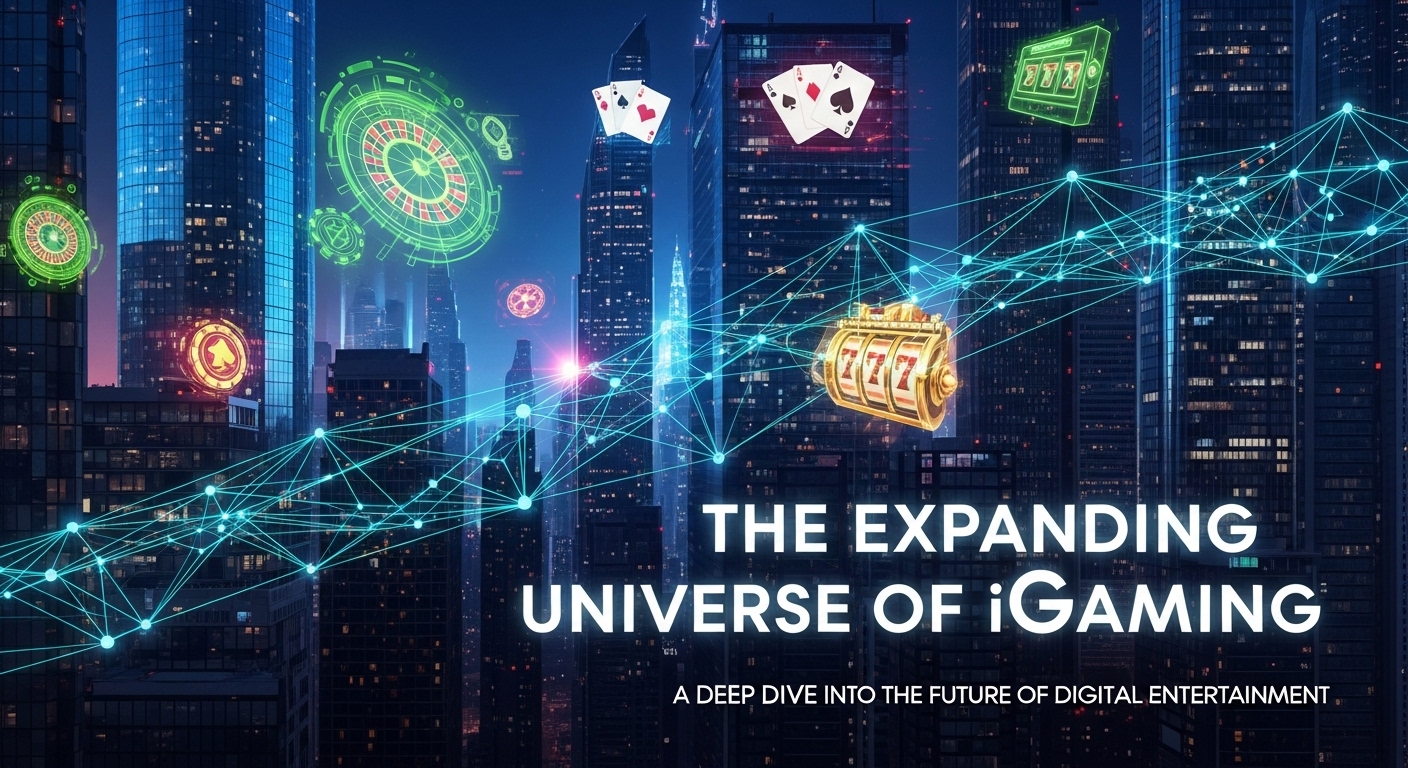
The iGaming industry has seen unprecedented growth over the past decade. From its early days of basic online poker and casino games to today’s sophisticated live dealer experiences and mobile-first platforms, iGaming has transformed entertainment into an immersive digital experience. This blog delves deep into the intricacies of iGaming, exploring its history, current trends, technological advancements, and the factors that continue to captivate players worldwide.
A Brief History of iGaming
The roots of iGaming can be traced back to the mid-1990s, with the launch of the first online casinos. At that time, internet technology was still in its infancy, and online gaming was considered a niche hobby. Early platforms offered a limited number of casino games such as blackjack, roulette, and basic slots. The excitement for players stemmed from the novelty of gambling from the comfort of their homes rather than visiting a physical casino.
As technology progressed, so did the complexity and variety of online games. By the early 2000s, software developers like Microgaming and Playtech began creating more sophisticated platforms, integrating random number generators (RNGs) to ensure fair gameplay. The introduction of secure payment systems also played a pivotal role in boosting player confidence, which ultimately led to the expansion of the iGaming market globally.
Modern iGaming Platforms
Today’s iGaming platforms are vastly different from the first online casinos. Modern players expect seamless interfaces, high-quality graphics, interactive gameplay, and fast, secure transactions. Online casinos now offer hundreds of games across multiple genres, from slots and table games to poker and sports betting.
Mobile compatibility has become a necessity rather than a luxury. The rise of smartphones and tablets has made gaming on the go more accessible than ever. Developers are now designing games that adapt seamlessly to smaller screens while maintaining engaging graphics and interactive features. Mobile-first platforms are particularly popular among younger demographics who are more likely to engage with entertainment digitally rather than physically.
The Role of Technology in iGaming
Technological innovation has been at the heart of iGaming’s rapid growth. Here are some key technological trends shaping the industry today:
Live Dealer Gaming
Live dealer games replicate the experience of a physical casino by streaming real dealers in real-time. Players can interact with dealers, place bets, and even chat with other participants. High-definition video streaming, multiple camera angles, and low-latency technology are critical to ensuring a seamless experience. Live dealer platforms have become a cornerstone of modern iGaming, especially in regions where online gambling is legal and heavily regulated.
Virtual Reality and Augmented Reality
Virtual reality (VR) and augmented reality (AR) are pushing iGaming into immersive experiences. VR casinos allow players to walk through a virtual casino environment, play games, and interact with other players as though they were physically present. AR, on the other hand, overlays game elements onto the real world, enhancing user interaction with augmented features. While still emerging, these technologies are expected to redefine player engagement and set new standards for digital entertainment.
Blockchain and Cryptocurrencies
Blockchain technology is transforming how players deposit and withdraw funds. Cryptocurrencies such as Bitcoin, Ethereum, and other altcoins offer secure, transparent, and fast transactions, minimizing the need for traditional banking intermediaries. Blockchain also allows for provably fair gaming, where players can verify the integrity of each game round using decentralized technology. This has been especially appealing to tech-savvy players who value transparency and security.
Artificial Intelligence
Artificial intelligence (AI) is increasingly influencing the iGaming industry, from enhancing game design to improving customer service. AI algorithms analyze player behavior to deliver personalized gaming experiences, recommend games, and even detect patterns that could indicate problem gambling. AI-powered chatbots offer instant support to players, ensuring 24/7 assistance while reducing the burden on human customer service teams.
The Psychology Behind iGaming
iGaming is not just about luck or skill; it’s also deeply intertwined with player psychology. Developers leverage behavioral science to enhance engagement and retention. Here are a few psychological elements commonly used in game design:
Reward Systems
Many online games employ reward systems to keep players engaged. These can range from free spins and bonus rounds to loyalty points and jackpots. The unpredictability of rewards, similar to slot machines in physical casinos, triggers the brain’s pleasure centers, creating a sense of excitement and anticipation.
Gamification
Gamification elements, such as leaderboards, achievements, and missions, make iGaming more interactive and socially engaging. Players are motivated not just by monetary rewards but also by social recognition and progress tracking, which encourages longer play sessions.
Social Interaction
Online communities, chat features, and multiplayer games provide social interaction that was once exclusive to physical casinos. Players enjoy forming alliances, competing against friends, or simply chatting with fellow enthusiasts, which creates a sense of belonging and engagement.
Legal and Regulatory Landscape
The growth of iGaming is closely tied to the regulatory environment. Countries around the world have adopted different approaches, from fully legal and regulated markets to complete bans. Regulatory compliance ensures player safety, fair gaming practices, and responsible gambling initiatives.
In Europe, jurisdictions like the United Kingdom and Malta have well-established frameworks for licensing online casinos and sports betting platforms. In contrast, some regions in Asia and the United States are gradually opening up markets, often through state-specific regulations. Adhering to these regulations is crucial for operators to maintain credibility and avoid legal repercussions.
Responsible Gambling
As iGaming grows, so does the need for responsible gambling practices. Platforms now incorporate features to help players manage their gaming behavior. These include deposit limits, time restrictions, self-exclusion tools, and access to counseling resources. Encouraging responsible gambling is not only a regulatory requirement in many regions but also a social responsibility for the industry.
iGaming and Esports Integration
Esports has emerged as a natural complement to iGaming. Betting on esports tournaments has become increasingly popular, offering a unique blend of competitive gaming and wagering. Platforms now provide live odds, fantasy leagues, and virtual betting experiences, creating new avenues for player engagement. The integration of esports and iGaming is expected to continue growing, especially among younger audiences who are digital natives and avid gamers.
Future Trends in iGaming
The iGaming industry is constantly evolving, with new trends emerging almost every year. Here are a few trends expected to shape the future:
Mobile-First Innovation
As mobile devices continue to dominate digital consumption, iGaming platforms will prioritize mobile-first designs, improving accessibility, speed, and user experience. Expect more adaptive interfaces, mobile-exclusive games, and location-based promotions.
Enhanced Personalization
Using AI and data analytics, iGaming operators will deliver highly personalized experiences, from game recommendations to targeted promotions. Personalization enhances player satisfaction and fosters long-term loyalty.
Cross-Platform Experiences
Seamless gaming across devices will become standard. Players will expect to switch between mobile, desktop, and even VR platforms without losing progress or functionality. Cross-platform compatibility ensures a fluid and uninterrupted gaming experience.
Eco-Friendly Gaming
Sustainability is entering the iGaming conversation. Operators are exploring ways to reduce their carbon footprint, including energy-efficient servers and green data centers. Environmentally conscious practices may also influence player preferences and loyalty.
Gamification Evolution
Gamification will continue to evolve, incorporating more interactive challenges, narrative-driven experiences, and community-based activities. This shift will transform iGaming into a more social and immersive form of entertainment.
Conclusion
The world of iGaming is a dynamic and rapidly evolving landscape. From humble beginnings to cutting-edge technological innovations, it has become a global entertainment phenomenon. Players are no longer just seeking monetary rewards; they want immersive experiences, social interactions, and personalized journeys.
As technology advances and regulations mature, the iGaming industry will continue to adapt, offering innovative solutions to meet player expectations. Whether through virtual reality casinos, blockchain-powered transactions, or AI-driven personalization, iGaming promises to remain at the forefront of digital entertainment for years to come.
The future of iGaming is bright, driven by innovation, player engagement, and a relentless pursuit of excellence. For enthusiasts and industry stakeholders alike, it represents a world where technology, psychology, and entertainment converge to create experiences that were once unimaginable.