 forgemania61
Introduction: The Digital Revolution in Gaming
The twenty-first century has witnessed an unprecedented transformation in how people play, connect, and compete. From the days of simple arcade machines to the immersive digital universes of today, gaming has become more than a pastime—it has evolved into a vast ecosystem that blends technology, psychology, and global connectivity. Within this universe lies one of the most fascinating and rapidly expanding segments of the entertainment world: iGaming.
iGaming, short for internet gaming, refers to any form of online gambling that involves wagering on the outcome of games or events. It encompasses online casinos, poker rooms, sports betting platforms, fantasy sports, lotteries, and even eSports betting. What began as a niche experiment in the late 1990s has grown into a multi-billion-dollar global industry, influencing economies, employment, and even culture.
But what drives this explosive growth? How is technology reshaping it? And where is iGaming headed in the next decade? This article dives deep into the world of iGaming to uncover its roots, innovations, challenges, and potential future.
The Origins of iGaming: From Dial-Up to Digital Dominance
The story of iGaming begins in the early days of the internet. When online connectivity first became accessible to the public, developers and entrepreneurs quickly realized the potential of bringing traditional casino games to a digital platform. The first online casinos emerged around 1994, following the passing of the Free Trade and Processing Act in Antigua and Barbuda, which granted licenses to companies wishing to offer internet-based gambling.
At that time, online gaming was a novelty. Slow internet speeds, limited graphics, and clunky interfaces defined the experience. Yet, the allure of playing blackjack or roulette from home sparked immediate interest among players. By the early 2000s, with improvements in broadband and mobile technology, iGaming began its steady rise. Software companies such as Microgaming and Playtech introduced advanced gaming solutions, secure payment gateways, and random number generators that improved fairness and reliability.
The mid-2000s saw the addition of sports betting, which brought a new demographic into the iGaming world. Bettors who once relied on physical bookmakers could now place wagers on football, horse racing, or tennis with a few clicks. Poker rooms and online tournaments soon followed, turning casual players into digital professionals and spawning an entirely new culture of competitive online gaming.
The Modern iGaming Landscape
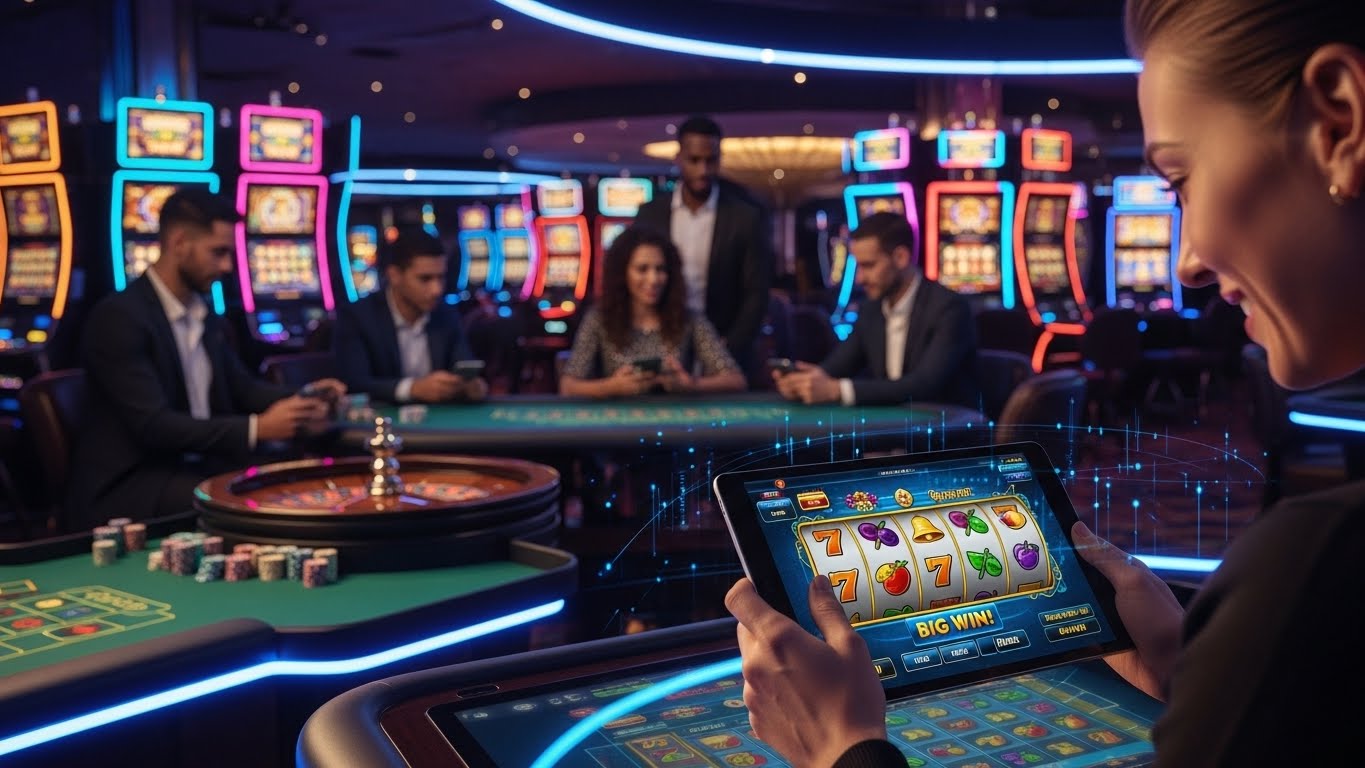
Today’s iGaming industry is almost unrecognizable compared to its humble beginnings. Modern platforms deliver sophisticated, immersive, and highly personalized experiences. Players can enjoy thousands of casino games—from slot titles inspired by mythology and movies to live dealer games that stream real human hosts in real-time.
The global iGaming market is driven by several interlocking segments:
- Online Casinos – Offering slots, blackjack, roulette, baccarat, and more.
- Sports Betting – Covering everything from traditional sports to eSports and virtual simulations.
- Online Poker – Featuring both casual play and high-stakes global tournaments.
- Fantasy Sports and Virtual Games – Allowing users to manage virtual teams or compete in computer-simulated events.
- Mobile iGaming – Gaming on smartphones and tablets has become the dominant access method for millions of players worldwide.
The expansion of these sectors has been fueled by advances in technology, evolving consumer preferences, and increasingly sophisticated regulatory frameworks. What once seemed like a futuristic novelty is now a mainstream entertainment form, often more accessible and dynamic than traditional casinos or betting shops.
Technology: The Engine Behind iGaming Evolution
No discussion about iGaming can ignore the technological innovation that powers it. Every layer of the experience—from game design to payment systems—is deeply rooted in digital progress. Let’s explore some of the most significant advancements that have transformed the iGaming landscape.
Mobile Revolution
Perhaps the single most influential shift in iGaming’s evolution is the mobile revolution. The proliferation of smartphones and tablets has turned gaming into an on-the-go experience. Players no longer need a desktop or a casino visit to enjoy a few rounds of blackjack or place a sports bet. Optimized apps and mobile-responsive websites have made it possible for users to access games anywhere, anytime, with the same quality and speed as desktop versions.
Artificial Intelligence and Personalization
Artificial intelligence (AI) plays a key role in shaping the user experience. AI-driven algorithms analyze player behavior, preferences, and betting history to personalize recommendations. For example, a user who often plays themed slot games may receive curated suggestions for similar titles. AI also enhances customer support through chatbots and predictive assistance, ensuring that players receive instant help.
Blockchain and Cryptocurrencies
The rise of blockchain technology has brought a wave of transparency and security to iGaming. Blockchain’s immutable ledgers allow for verifiable game outcomes and fair play, while cryptocurrencies like Bitcoin and Ethereum have introduced anonymous, fast, and borderless transactions. Some iGaming platforms now operate entirely on blockchain, offering decentralized gaming environments that eliminate intermediaries and ensure fair odds.
Virtual and Augmented Reality
Virtual reality (VR) and augmented reality (AR) are opening a new frontier in iGaming immersion. VR casinos replicate the real-world experience, allowing players to walk through digital casino floors, interact with others, and engage in lifelike gameplay. AR overlays digital elements onto physical surroundings, blending real and virtual environments. Together, they redefine how players experience the thrill of gaming, creating social and sensory engagement that traditional online formats can’t match.
Data Analytics and Responsible Gaming
Modern iGaming platforms rely heavily on data analytics not only to optimize player experience but also to promote responsible gaming. By monitoring player activity, companies can identify risky patterns that might indicate problem gambling. Automated systems can issue alerts, impose limits, or offer self-exclusion options. This integration of ethics and technology helps sustain a healthier gaming ecosystem.
The Business of iGaming: Market Growth and Global Reach
The iGaming industry has evolved into one of the most lucrative sectors of the digital economy. It’s estimated to be worth hundreds of billions of dollars globally, with continuous annual growth driven by digital adoption and regulatory acceptance.
Several regions dominate the iGaming landscape. Europe remains a central hub, with countries like the United Kingdom, Malta, and Sweden setting the standard for licensing and regulation. Asia and Latin America are emerging as fast-growing markets, while North America, particularly the United States and Canada, has recently embraced online gambling through state-level legalization.
The financial model of iGaming is multifaceted. Revenue streams include direct wagering, in-game purchases, advertising partnerships, and affiliate programs. Operators invest heavily in marketing, sponsorships, and influencer collaborations to attract players, while software providers license game content to multiple platforms. This intricate web of business relationships fuels continuous innovation and global expansion.
Regulatory Challenges and Compliance
While the iGaming industry thrives, it also faces a complex regulatory environment. Different jurisdictions have varying laws regarding online gambling, often balancing economic benefits with concerns about addiction and fraud. Some nations embrace iGaming as a source of tax revenue and job creation, while others impose strict bans or operate under gray areas of legality.
Regulators focus on several key aspects:
- Licensing and fair play standards
- Data privacy and player protection
- Anti-money laundering compliance
- Responsible gambling measures
The United Kingdom Gambling Commission, Malta Gaming Authority, and other similar bodies have established rigorous frameworks that ensure fairness, transparency, and consumer safety. The challenge for operators lies in navigating multiple jurisdictions with distinct rules, often requiring localized compliance strategies and technical adaptations.
iGaming Psychology: What Makes Players Engage?
At its core, iGaming taps into fundamental aspects of human psychology—risk, reward, and anticipation. The excitement of uncertainty, combined with instant feedback, creates a powerful loop that keeps players engaged. Developers use behavioral insights to design experiences that balance entertainment and challenge.
Visual and auditory cues play a significant role. Flashing lights, celebratory sounds, and near-win animations are carefully engineered to maintain engagement. However, ethical game design has become increasingly important. Operators are now under pressure to ensure that psychological techniques do not exploit vulnerable players. Tools such as deposit limits, reality checks, and playtime reminders aim to encourage responsible enjoyment
continuing the blog —
The Rise of Live Dealer Games: Bridging Virtual and Real Worlds
One of the most successful innovations in iGaming is the development of live dealer games. These games merge the best elements of both traditional casinos and digital gaming. Players interact in real-time with professional dealers via high-definition video streams, bringing an authentic human element to online gambling.
Live dealer games have become the centerpiece of many iGaming platforms. Titles such as live blackjack, roulette, and baccarat replicate the social energy of physical casinos, complete with multiple camera angles, chat features, and real-time statistics. This hybrid experience appeals to players who miss the personal touch of in-person gaming while still valuing the convenience of playing from home or on mobile.
Technology continues to enhance these experiences with improved streaming quality, low-latency connections, and even multi-table interfaces that let users jump between games seamlessly. As VR and AR integrations mature, we can expect these games to become even more immersive, giving rise to fully realized virtual casino spaces.
Mobile-First Experiences and the Age of Instant Access
Mobile gaming has become the dominant access point for iGaming worldwide. Today, more than 70 percent of online gambling traffic originates from mobile devices. This transformation is not just about portability—it reflects a complete shift in how people consume entertainment.
Developers now design games with a “mobile-first” philosophy. That means optimizing interfaces for touch screens, simplifying navigation, and minimizing load times. Progressive Web Apps and lightweight game engines ensure players can enjoy fast, seamless gameplay even on moderate internet connections.
Payment systems have also evolved to support mobile ecosystems. Players can deposit and withdraw using digital wallets, instant banking, or even cryptocurrency, making transactions faster and more secure. The mobile era has essentially turned every smartphone into a personal casino hub, available 24/7.
The Social Dimension of iGaming
Though online gaming might appear solitary at first glance, social connectivity lies at its heart. iGaming platforms incorporate chat features, leaderboards, tournaments, and community-driven events that foster interaction among players. Multiplayer poker tables, collaborative fantasy sports leagues, and live-streamed tournaments build a sense of belonging and shared excitement.
Social media integration has amplified this effect. Players can share achievements, invite friends, or stream their gaming sessions. This interconnectedness has transformed gaming from an individual pursuit into a collective experience.
In addition, influencer marketing has become a vital part of iGaming’s growth strategy. Streamers and gaming personalities showcase live playthroughs, share strategies, and introduce audiences to new platforms. This blend of entertainment and promotion strengthens the cultural presence of iGaming in mainstream digital life.
Responsible Gaming: Building a Sustainable Future
As the iGaming industry grows, so does its responsibility to promote safe play. The convenience and accessibility that make online gaming appealing can also pose risks for vulnerable individuals. Operators, regulators, and advocacy groups have recognized this and taken steps to implement robust responsible gaming measures.
Modern iGaming platforms integrate features such as self-exclusion tools, deposit limits, time reminders, and behavioral alerts. Advanced algorithms can detect early signs of compulsive behavior and prompt users to take breaks or seek support. Educational campaigns also play an essential role in spreading awareness about healthy gaming habits.
The future of iGaming must balance entertainment with ethics. Sustainable success depends not only on revenue but on protecting player well-being. Transparent odds, fair play certifications, and open communication are essential to maintaining public trust in the industry.
Innovation in Game Design: Creativity Meets Technology
Behind every successful iGaming platform is an ecosystem of developers, designers, and storytellers pushing the boundaries of digital entertainment. Today’s games are no longer simple reels and cards—they are narrative-driven, visually rich experiences.
Slot games now feature cinematic graphics, 3D animations, and interactive storylines inspired by mythology, movies, and pop culture. Table games integrate multiplayer options, side bets, and real-time stats. Even sports betting has become more dynamic with live odds, instant cashouts, and AI-based prediction tools.
Game mechanics evolve continuously to keep engagement high. Randomized bonus rounds, tiered rewards, and gamified loyalty programs encourage players to return. At the same time, developers focus on fairness and transparency, using certified random number generators and blockchain verification to ensure authenticity.
This fusion of creativity and technology ensures that iGaming remains fresh, competitive, and entertaining in a crowded digital marketplace.
Artificial Intelligence and Predictive Gaming
Artificial intelligence extends beyond personalization—it also drives predictive analytics, fraud detection, and strategic development. AI can forecast player trends, optimize bonus structures, and even simulate betting scenarios to improve odds management.
For operators, AI tools provide insight into customer retention and risk management. For players, they enhance gameplay experiences, offering smarter recommendations and adaptive challenges.
In the future, AI could even serve as a virtual host, guiding players through tournaments, suggesting optimal bets, or narrating live events. The potential for AI-driven interactivity is immense, and it will likely redefine the way players perceive and participate in iGaming.
The Economic Impact of iGaming
Beyond entertainment, iGaming has significant economic implications. It creates jobs in software development, customer support, compliance, marketing, and cybersecurity. Jurisdictions that regulate and license iGaming often benefit from tax revenues that fund public services and infrastructure.
For developing economies, iGaming represents an opportunity to attract foreign investment and technological advancement. Regions like Malta, Gibraltar, and the Isle of Man have become global iGaming hubs, hosting thousands of professionals and international firms.
Moreover, partnerships between technology providers, payment processors, and media companies have strengthened the industry’s economic footprint. The ripple effect extends into hospitality, tourism, and event sponsorship, creating a wide network of interconnected sectors.
Challenges Facing the iGaming Industry
Despite its success, iGaming faces several hurdles that demand ongoing adaptation. Regulation, cybersecurity, and market saturation remain key challenges.
Cybersecurity threats are a constant concern, as platforms store sensitive financial and personal data. Operators invest heavily in encryption, authentication, and anti-fraud systems to maintain trust.
Market saturation is another challenge. With thousands of platforms competing for attention, innovation and brand differentiation are critical. Companies must balance bonuses, customer loyalty programs, and quality service to stand out.
Lastly, regulatory uncertainty can slow growth. Operators often face shifting policies and inconsistent global standards. This requires agility and compliance expertise to navigate successfully.
Sustainability in iGaming will depend on transparency, ethical practices, and continued investment in secure, responsible operations.
The Future of iGaming: What Lies Ahead
As technology and society evolve, so will iGaming. Several trends are poised to shape its future.
- Metaverse Integration – Virtual worlds could become the next frontier of iGaming, merging social interaction, digital ownership, and gaming into immersive universes. Players might use avatars to enter virtual casinos, attend tournaments, or explore fantasy environments that blend entertainment with social engagement.
- Artificial Intelligence Expansion – Smarter AI will offer more personalized, adaptive gaming environments, tailoring difficulty and reward systems dynamically.
- Blockchain and Tokenization – Expect greater use of decentralized finance systems where players earn and trade in-game tokens, NFTs, and virtual assets.
- Cross-Platform Accessibility – Seamless integration across devices and operating systems will make gaming experiences more fluid and universal.
- Sustainability and Ethical Innovation – As players become more conscious of digital well-being and fairness, operators will need to adopt transparent practices and eco-friendly technologies.
The iGaming world will continue to innovate not just for entertainment but for meaningful engagement, blending technology with responsible enjoyment.
Conclusion: The Human Connection in a Digital Age
iGaming represents one of the most remarkable intersections of technology, psychology, and entertainment in the modern era. What began as a simple experiment in digital gambling has evolved into a global ecosystem that entertains millions and drives technological innovation.
Yet, beyond algorithms and virtual tables, the essence of iGaming remains deeply human. It reflects our innate desire for challenge, social connection, and excitement. The best iGaming experiences don’t just rely on chance—they blend design, emotion, and community to create memorable moments.
As we move deeper into the digital future, iGaming will continue to expand its reach, redefine its ethics, and explore new creative possibilities. Whether through virtual reality casinos, AI-driven betting assistants, or decentralized gaming worlds, the core pursuit will remain the same: to entertain, to connect, and to inspire.
The future of iGaming isn’t just about technology—it’s about how technology enhances the human experience of play.