 forgemania61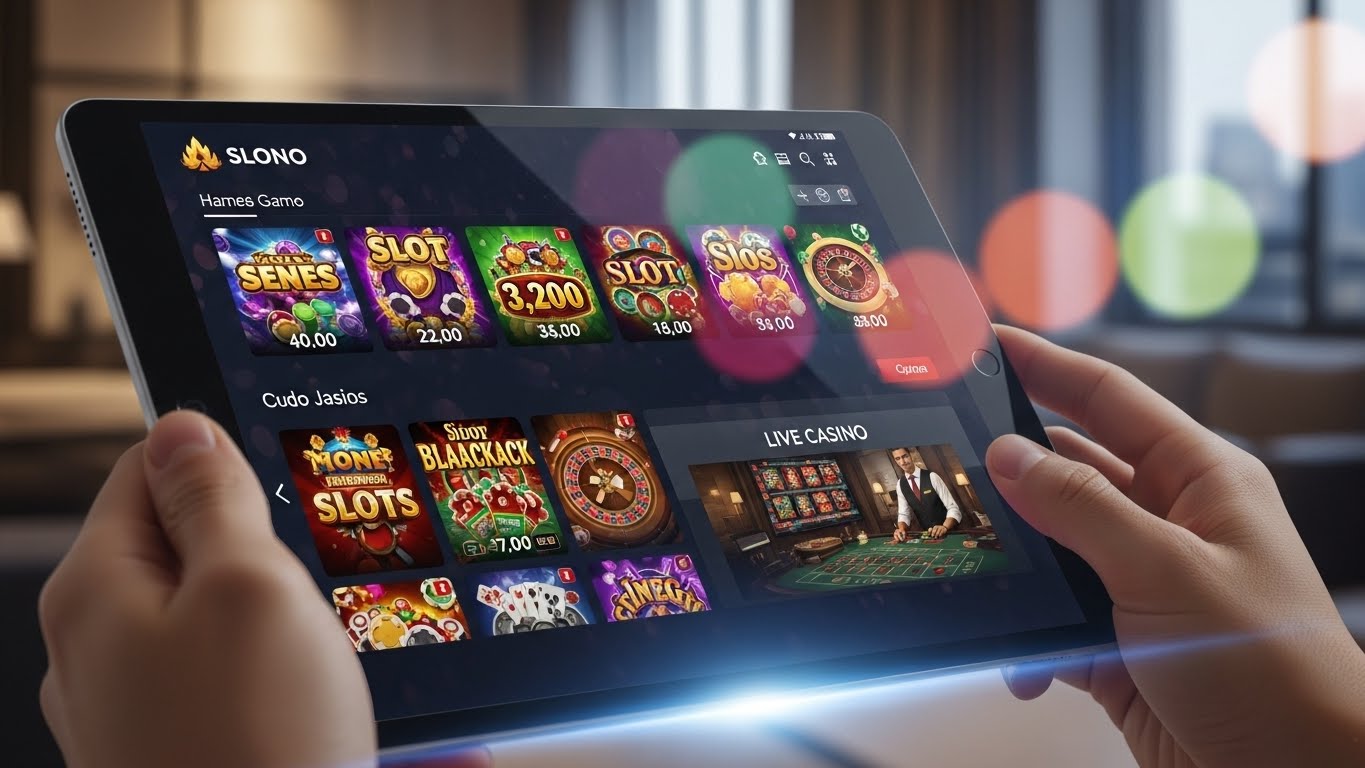
The world of online gaming and gambling, known as iGaming, has come a long way since its inception. Today, it is one of the fastest-growing industries globally, drawing millions of players and generating billions of dollars in revenue. Whether it’s online casinos, sports betting, or fantasy sports, the iGaming industry continues to evolve and shape the digital entertainment landscape. But what are the forces driving this growth, and how will the industry look in the years to come? In this post, we will delve into the evolution of iGaming, the key trends shaping its future, and what players and operators can expect from the industry in the near future.
What is iGaming?
At its core, iGaming refers to any form of gambling or gaming that takes place over the internet. This includes online casino games, virtual sports, online poker, sports betting, and more. The rise of iGaming has coincided with advances in technology, particularly the internet and mobile devices, which have made online gaming more accessible and enjoyable for a global audience.
iGaming is not limited to traditional gambling activities. It also encompasses fantasy sports leagues, eSports betting, and other forms of competitive gaming where real money can be wagered. Online casinos, once a small part of the industry, now represent a significant portion of the global gambling market, offering everything from slots to live dealer games and virtual poker tables.
The Growth of iGaming: A Global Phenomenon
The rise of iGaming has been nothing short of spectacular. According to a 2022 report from the American Gaming Association, the global iGaming market is expected to reach a staggering $159.3 billion by 2027, growing at a compound annual growth rate (CAGR) of 11.5%. This growth is driven by several factors, including the increasing adoption of mobile devices, the legalization of online gambling in various jurisdictions, and advancements in technology.
Mobile Devices and Accessibility
The advent of smartphones and tablets has transformed the way people engage with iGaming. Today, players can access their favorite casinos, sports betting platforms, and poker rooms from virtually anywhere in the world. The portability of mobile devices has made it easier for individuals to enjoy gaming experiences during their daily commute, at home, or while on vacation.
Moreover, the continued rollout of 5G networks promises to further enhance mobile gaming experiences. Faster internet speeds, lower latency, and more reliable connections will allow iGaming platforms to deliver smoother gameplay, high-definition graphics, and immersive live dealer experiences directly to players’ smartphones and tablets.
The Legalization of Online Gambling
Another key factor in the growth of iGaming is the gradual legalization of online gambling in different parts of the world. In the United States, for example, the Supreme Court’s 2018 decision to strike down the Professional and Amateur Sports Protection Act (PASPA) has led to the rapid expansion of sports betting in many states. As more regions legalize online gambling, both operators and players benefit from more secure and regulated environments.
Countries in Europe, such as the United Kingdom, Spain, and Malta, have long had well-established online gambling regulations. In Asia and South America, many countries are also exploring the potential of regulated iGaming markets to boost their economies and generate tax revenue.
Innovations in Payment Systems
The development of alternative payment methods has also helped fuel the growth of iGaming. E-wallets, cryptocurrency, and mobile payment solutions have made it easier for players to deposit and withdraw funds securely and quickly. Cryptocurrencies like Bitcoin and Ethereum are becoming increasingly popular for online gambling due to their speed, security, and anonymity. Many operators now accept cryptocurrencies, allowing players to bet without revealing their personal information.
Key Trends Shaping the iGaming Industry
The iGaming industry is evolving rapidly, driven by both technological advancements and changing player preferences. Let’s look at some of the key trends that are shaping the future of online gambling.
1. Live Dealer Games
Live dealer games are a significant innovation in the iGaming sector. These games offer players the ability to interact with real-life dealers through live video streaming, creating a more immersive and authentic casino experience. Players can participate in games such as blackjack, roulette, baccarat, and poker, all while engaging in real-time with professional dealers and other players.
Live dealer technology has improved significantly in recent years. High-definition video streams, multi-camera angles, and interactive features have made live casino gaming more engaging than ever before. With the global rise in demand for a more realistic gaming experience, live dealer games are expected to continue growing in popularity.
2. Virtual and Augmented Reality
Virtual Reality (VR) and Augmented Reality (AR) are poised to revolutionize the iGaming industry. While still in the early stages of adoption, these technologies have the potential to create fully immersive gaming environments. VR casinos could allow players to walk through virtual casino floors, interact with other players, and sit at virtual tables, all while feeling as if they are physically present in the casino.
AR, on the other hand, enhances the real world with digital elements. Imagine playing poker in a real-world setting with your friends, where holographic elements display game information and stats in real time. As VR and AR technologies continue to improve, they could become key components of the iGaming experience, offering players a new dimension of entertainment.
3. Cryptocurrency Integration
As mentioned earlier, cryptocurrencies are gaining ground in the iGaming industry. Many online casinos now accept Bitcoin, Ethereum, and other cryptocurrencies as payment methods. The benefits of using cryptocurrencies for online gambling include faster transaction speeds, lower fees, and greater anonymity.
In addition, blockchain technology, which underpins cryptocurrencies, offers transparency and security. Blockchain-based casinos can allow players to verify the fairness of games and ensure that outcomes are not manipulated. This transparency could help attract players who are concerned about the integrity of traditional online gambling platforms.
4. Esports Betting
Esports, or competitive video gaming, is one of the fastest-growing sectors in the iGaming market. Professional esports tournaments now attract millions of viewers and offer significant prize pools. As esports’ popularity continues to soar, betting on esports matches has become a major trend.
iGaming platforms are increasingly offering markets for esports betting, allowing players to wager on popular games such as League of Legends, Dota 2, Counter-Strike, and more. The rise of esports betting not only appeals to traditional gamers but also draws in a younger, tech-savvy audience that is more comfortable with online gaming.
5. Gamification and Social Gaming
Gamification is a trend that is gradually gaining traction in the iGaming sector. By incorporating elements of video games, such as achievements, leaderboards, and rewards, operators are able to create more engaging and interactive gaming experiences. Social features like multiplayer options and live chats allow players to compete against one another in real time, adding a social dimension to online gambling.
Social gaming, including multiplayer slots and casino tournaments, is also on the rise. Players can now join online communities, interact with friends, and compete for prizes in a more collaborative environment. These features are helping iGaming platforms attract a broader audience, particularly those who enjoy the social aspects of gaming.
Challenges and Regulatory Issues
Despite its growth, the iGaming industry faces several challenges, particularly around regulation and player protection.
1. Regulatory Compliance
As mentioned earlier, the legal landscape of online gambling is complex. Different countries have different rules and regulations surrounding online gambling, and operators must navigate these complexities to offer their services in multiple regions. For example, some countries have strict licensing requirements, while others may prohibit online gambling altogether.
Operators need to ensure compliance with local laws, which can be time-consuming and costly. As the industry grows, there may be more efforts to standardize regulations across borders, which could help ease the regulatory burden.
2. Responsible Gambling and Addiction Prevention
Another significant challenge in the iGaming sector is ensuring responsible gambling. With the rise of online gambling, there is an increasing concern about problem gambling and addiction. iGaming operators are taking steps to address these issues by offering self-exclusion tools, setting deposit limits, and providing links to support organizations.
Governments and regulators are also becoming more involved in promoting responsible gambling practices. Some countries have implemented strict regulations requiring operators to include responsible gambling measures, and this trend is expected to continue.
The Future of iGaming
Looking ahead, the future of iGaming is filled with exciting possibilities. The combination of cutting-edge technologies, regulatory evolution, and changing player expectations will continue to shape the industry in profound ways.
As mobile gaming and live dealer experiences continue to improve, the demand for immersive and interactive gameplay will increase. The integration of cryptocurrencies and blockchain technology will foster transparency and security, while innovations in virtual and augmented reality could take online gambling to a new level.
Ultimately, the future of iGaming will be defined by greater accessibility, personalized experiences, and a deeper focus on player protection. Operators that stay ahead of these trends will not only attract more players but also help shape the future of online entertainment.
Conclusion
The iGaming industry is on an exciting trajectory, with numerous technological advancements and regulatory changes paving the way for further growth. From mobile gaming and live dealer games to the integration of VR/AR, blockchain, and esports, the next few years promise to be transformative. While challenges remain, such as regulatory hurdles and the need for responsible gambling initiatives, the continued evolution of the sector suggests that the future of iGaming will be as dynamic and exciting as ever.