 forgemania61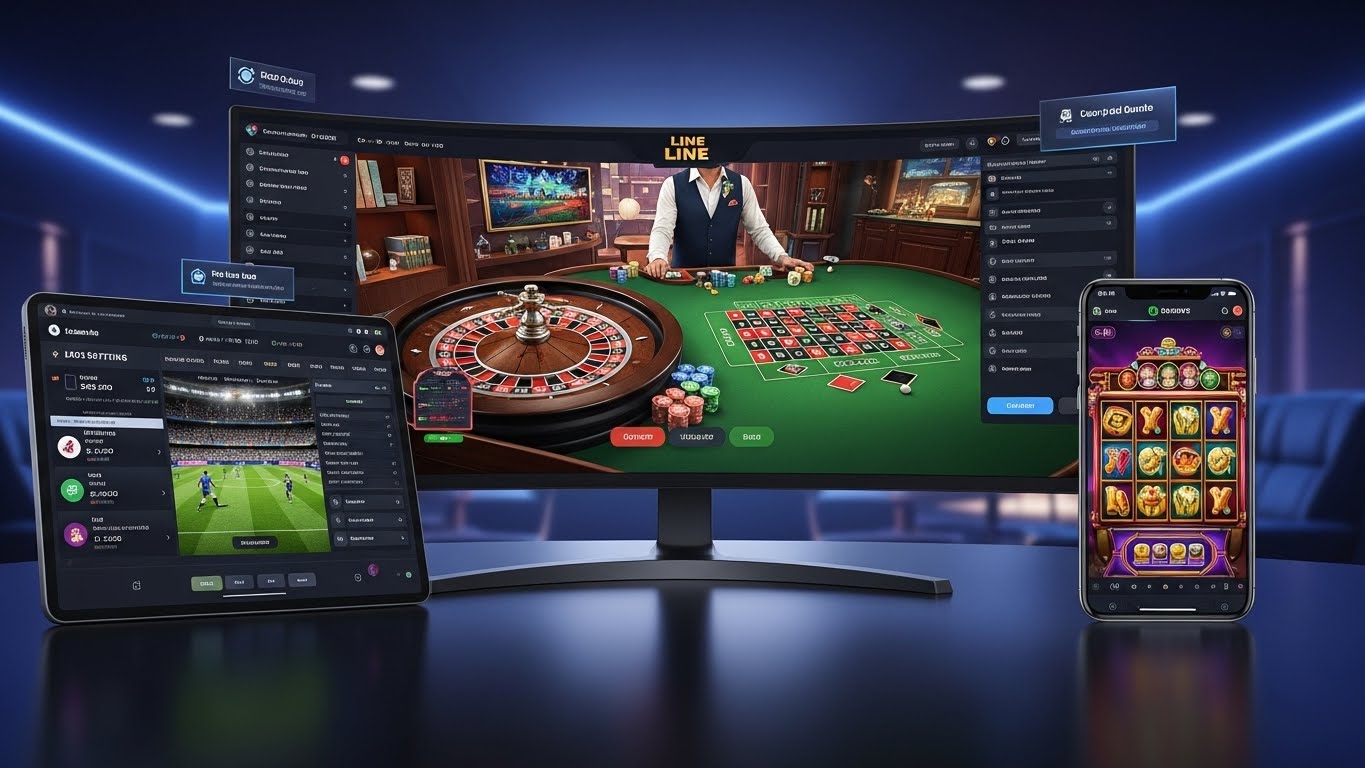
The iGaming industry, a term that encompasses online gaming and gambling, has rapidly evolved over the past two decades. What once began as a niche market has expanded into a massive global phenomenon, revolutionizing the way people engage with entertainment, gaming, and gambling. In this blog post, we will explore the dynamics of iGaming, its current state, future potential, and the impact it has had on traditional gaming and gambling industries.
Understanding iGaming: An Introduction
iGaming refers to the playing of games or placing bets on games of chance or skill over the internet. It spans a broad spectrum of online activities, including online casinos, sports betting, virtual sports, poker, bingo, and more. The industry has grown exponentially, aided by technological advancements, the proliferation of high-speed internet, and changing societal attitudes toward gambling.
Unlike traditional forms of gambling, which require physical presence at a casino or betting shop, iGaming brings these experiences directly to users’ fingertips. Whether it’s spinning the reels of an online slot machine or participating in a live poker game with opponents across the globe, the digital nature of iGaming allows for an unmatched level of convenience and accessibility.
The Evolution of iGaming: From Niche to Mainstream
The journey of iGaming can be traced back to the mid-1990s when the first online casinos and poker rooms appeared. Initially, these platforms were primitive, relying on rudimentary software and offering limited options for players. However, this marked the beginning of a trend that would only grow in the coming years.
Several factors contributed to the industry’s rapid growth:
Technological Advancements
The rise of the internet, coupled with advancements in software development, helped shape the modern iGaming industry. The introduction of secure payment systems, encryption technology, and mobile compatibility has played a crucial role in enhancing user experience and safety. Over the years, these developments have made online gambling safer, more convenient, and more user-friendly.
Legal and Regulatory Changes
As the demand for online gambling grew, so did the need for regulation. In many countries, governments began to introduce legislation that allowed online gambling but with clear guidelines and protections for players. This provided a legal framework for operators and made the industry more reputable and secure. In some regions, the rise of legal iGaming led to an influx of tax revenue, which further fueled the expansion of the market.
Rise of Mobile Gaming
The smartphone revolution in the 2000s had a profound impact on iGaming. As mobile phones became more advanced, operators began developing mobile-friendly platforms that allowed users to gamble on the go. The shift from desktop to mobile gaming has been one of the most significant changes in the industry, making iGaming more accessible than ever before.
Social and Cultural Shifts
Changes in societal attitudes toward gambling have also played a role in iGaming’s rise. In many places, gambling is no longer viewed as taboo, and people are more open to engaging with online betting and gaming. Furthermore, the growing popularity of esports, which itself has connections to iGaming, has introduced a younger audience to online gaming and betting.
Key Segments of iGaming
iGaming encompasses a broad array of activities, each catering to different types of players. Let’s break down some of the most popular segments in the iGaming world.
Online Casinos
Online casinos are perhaps the most recognizable form of iGaming. These platforms offer digital versions of traditional casino games like slots, blackjack, roulette, baccarat, and poker. Online casinos replicate the experience of a physical casino with the added benefits of being available 24/7 and offering a wide variety of games.
Many online casinos also feature live dealer games, which use real dealers who interact with players in real-time via video streaming. These live casino games add an immersive, interactive element to the online gambling experience.
Sports Betting
Sports betting has long been a staple of the gambling industry, and iGaming has revolutionized how people engage with sports betting. Online sportsbooks offer betting on a wide range of sports, including football, basketball, tennis, and even esports.
With the ability to place bets on live events as they happen, sports betting has become even more dynamic and engaging. Many platforms also provide in-depth statistics, live odds, and expert analysis, allowing bettors to make more informed decisions.
Poker and Bingo
Poker has always been one of the most popular casino games, and the online version has brought it to a global audience. Online poker rooms host a variety of games, including Texas Hold’em, Omaha, and Seven-Card Stud. Players can compete against others from around the world, and tournaments with large cash prizes are a big draw for poker enthusiasts.
Bingo, once confined to brick-and-mortar halls, has also gone digital. Online bingo platforms have introduced new variations of the game, with colorful themes and exciting bonuses, attracting players of all ages.
Virtual Sports and Esports Betting
In recent years, virtual sports and esports have grown into key sectors within iGaming. Virtual sports are computer-generated simulations of real-world sports events, while esports betting involves wagering on competitive video gaming tournaments.
The rise of esports has been particularly notable, as it has attracted a younger audience that is passionate about gaming. Major esports events now feature large-scale betting markets, with some even drawing millions of viewers. Esports betting has become a prominent segment of the iGaming industry, with platforms offering odds on everything from League of Legends tournaments to Dota 2 and CS:GO events.
The Impact of iGaming on the Traditional Gambling Industry
iGaming has had a profound impact on traditional gambling establishments, such as land-based casinos, betting shops, and poker rooms. While brick-and-mortar casinos still hold significant cultural and social value, online platforms have become a strong competitor in the market.
Several trends illustrate the shifting dynamics:
Convenience and Accessibility
Online gambling is far more convenient than visiting a land-based casino. Players no longer have to travel to a physical location or abide by opening hours. With iGaming, they can play or bet whenever they like, from the comfort of their own homes or even on the go via mobile apps. This level of convenience has contributed to the decline of foot traffic in traditional casinos.
Younger Demographic
The iGaming industry has attracted a younger audience compared to traditional gambling. Online platforms cater to digital natives who are more comfortable with technology and enjoy the interactive nature of online gaming. As this younger demographic becomes more engaged with iGaming, it could further shift the balance of power between online and physical casinos.
Integration of New Features
To compete with iGaming, traditional casinos have begun integrating new features, such as online gambling options and virtual reality gaming. While these innovations are still in their infancy, they demonstrate that the lines between online and offline gaming are increasingly blurred.
The Future of iGaming
The future of iGaming looks bright, with continued growth on the horizon. Several factors suggest that the industry will continue to thrive:
Expansion into New Markets
As more countries legalize online gambling, the global market for iGaming will expand. Emerging markets in Asia, Latin America, and Africa are likely to see significant growth, driven by a young, tech-savvy population and improving internet infrastructure.
Technological Innovations
Technological advances will continue to shape the iGaming industry. Innovations such as virtual reality (VR) and augmented reality (AR) could revolutionize the way players interact with games. Additionally, the use of artificial intelligence (AI) in personalizing gaming experiences and improving security will become more prevalent.
Responsible Gaming and Regulation
As iGaming grows, so does the need for responsible gaming practices. Many operators are already implementing measures to promote responsible gambling, such as setting deposit limits, self-exclusion tools, and providing information on problem gambling resources. As the industry matures, more robust regulations will likely be introduced to protect consumers and ensure fair play.
Integration with Cryptocurrencies
Cryptocurrencies, such as Bitcoin, have already found a foothold in the iGaming space. Many online casinos and betting platforms now accept crypto payments, providing players with greater anonymity and faster transactions. As cryptocurrencies become more mainstream, we may see even more integration into the iGaming world.
Conclusion
iGaming has come a long way since its inception in the mid-1990s. What started as a small, niche market has transformed into a billion-dollar industry with a wide range of offerings, catering to a diverse audience. With technological advancements, regulatory changes, and evolving consumer preferences, the future of iGaming looks promising.
Whether it’s the thrill of playing at an online casino, betting on a sports event, or participating in an esports tournament, iGaming has something for everyone. As the industry continues to evolve, it will undoubtedly reshape the way we think about gaming, entertainment, and gambling.
As players continue to seek new and engaging experiences, the iGaming industry will remain at the forefront of digital entertainment. The combination of convenience, accessibility, and innovation makes it clear that the iGaming revolution is just getting started.